
Electricity has become so deeply integrated into modern life that most people only think about the power grid when something goes wrong. From lighting and heating to internet access, medical equipment, transportation systems, and industrial operations, nearly every aspect of daily life depends on a reliable supply of electricity. When the power suddenly goes out, even for a short period, it can disrupt homes, businesses, schools, hospitals, and entire communities.
Although power outages can feel random, they usually result from specific events affecting the electrical grid. Severe weather, equipment failures, accidents, wildlife interference, and rising electricity demand can all contribute to service disruptions. Fortunately, utility companies invest heavily in monitoring systems, emergency response teams, and restoration procedures that allow them to identify problems and restore service as quickly and safely as possible. Understanding why outages occur and how utilities respond helps explain the enormous effort required to keep electricity flowing reliably every day.
What Is a Power Outage?
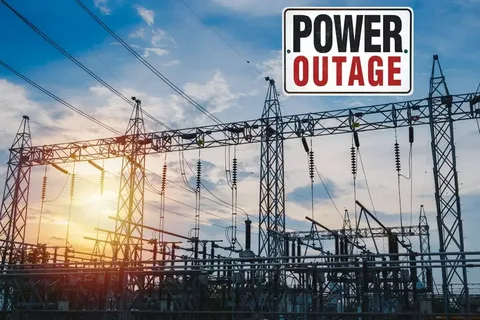
A power outage occurs when electricity stops flowing to part of the electrical grid. Depending on the cause, outages may affect a single home, an entire neighborhood, a city, or even multiple regions.
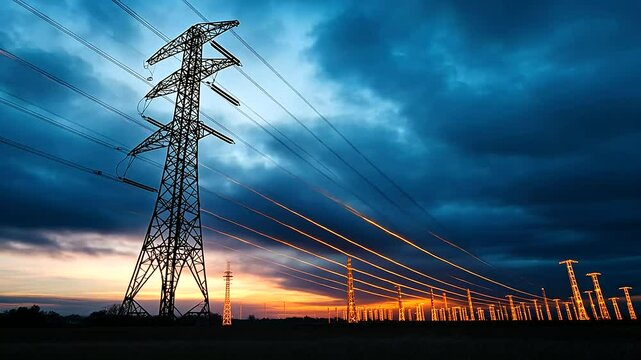
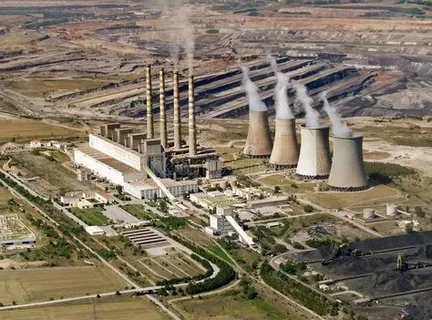
Electricity reaches consumers through a complex network of power plants, transmission lines, substations, transformers, and distribution systems. If any critical part of this network experiences a problem, service interruptions can occur.
Power outages can vary significantly in scale and duration.
- Some last only a few minutes
- Others can continue for several hours or days
- Major disasters may cause widespread outages across large regions
Why Reliable Electricity Is So Challenging to Maintain
Maintaining reliable electricity is more complicated than many people realize. Power grids operate continuously and must balance electricity supply and demand every second of every day. Thousands of miles of equipment work together to deliver electricity to consumers.
Because so many components are involved, even a relatively small problem can affect service. Utility companies constantly monitor equipment, perform maintenance, and upgrade infrastructure to reduce risks, but no electrical system can be completely immune to disruptions.
Several factors make reliability challenging:
- Large infrastructure networks
- Exposure to weather conditions
- Growing electricity demand
- Aging equipment in some regions
Severe Weather Is the Leading Cause of Outages
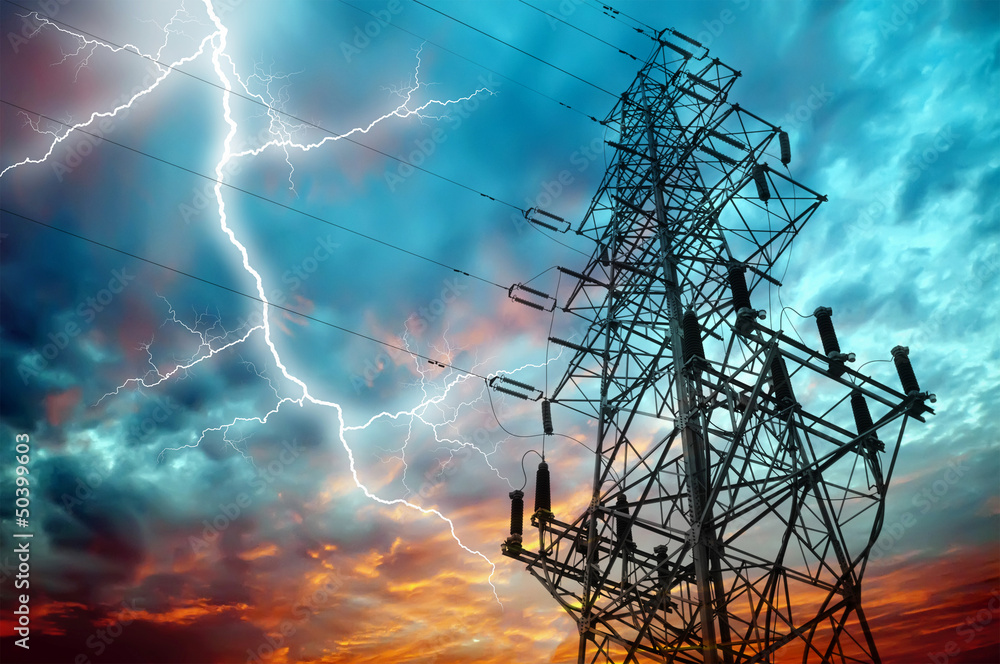
Weather is one of the most common causes of power interruptions worldwide. Electrical infrastructure is often exposed to outdoor conditions, making it vulnerable to storms and natural events.
Strong winds can topple utility poles, damage power lines, and send debris into electrical equipment. Lightning strikes may damage transformers and substations, while heavy snow and ice can place enormous weight on overhead lines.
Common weather-related outage causes include:
| Weather Event | Potential Impact |
| Thunderstorms | Lightning damage |
| High winds | Fallen power lines |
| Ice storms | Line and pole damage |
| Hurricanes | Widespread infrastructure destruction |
| Flooding | Equipment failures |
| Wildfires | Grid shutdowns and damage |
Extreme weather remains one of the biggest challenges facing utilities.
Trees and Vegetation Cause Many Interruptions
Trees are surprisingly responsible for a large percentage of power outages. During storms, branches may fall onto electrical lines, creating faults that interrupt service.
Even healthy trees can become problematic when they grow too close to power infrastructure. Utilities spend significant resources trimming vegetation around power lines to minimize risks.
Vegetation management programs typically focus on:
- Removing hazardous branches
- Maintaining safe clearance distances
- Preventing contact with energized lines
These efforts help reduce preventable outages.
Equipment Failures Can Occur Unexpectedly
Electrical equipment experiences wear and tear over time. Transformers, circuit breakers, switches, and transmission components operate continuously and eventually require maintenance or replacement.
Although utilities perform routine inspections, unexpected failures can still occur. When critical equipment stops functioning properly, electricity may be interrupted until repairs are completed.
Common equipment-related problems include:
- Transformer failures
- Damaged insulators
- Circuit breaker malfunctions
- Aging infrastructure issues
Equipment maintenance is essential for reliability.
Vehicle Accidents Often Damage Power Infrastructure
Many outages result from traffic accidents involving utility poles. When vehicles strike poles, power lines may be damaged or brought down entirely.
These incidents can create significant safety hazards and often require immediate response from utility crews.
Consequences may include:
- Downed power lines
- Damaged transformers
- Broken utility poles
- Service interruptions for nearby customers
Restoration cannot begin until the accident scene is secured safely.
Wildlife Can Cause Electrical Problems
Animals occasionally interfere with electrical systems. Birds, squirrels, snakes, and other wildlife sometimes come into contact with energized equipment.
Although utilities design systems to reduce these risks, animal-related outages still occur.
Examples include:
- Squirrels entering substations
- Birds contacting conductors
- Wildlife-damaging equipment
Even small animals can trigger service interruptions under certain conditions.
Overloaded Electrical Systems
During periods of exceptionally high demand, electrical systems may experience stress. Heatwaves often create surges in electricity consumption as millions of air conditioners operate simultaneously.
When demand approaches system limits, equipment may become overloaded.
High-demand situations can lead to:
| Condition | Potential Result |
| Excessive power demand | Equipment stress |
| Transmission congestion | Reduced reliability |
| Grid instability | Service interruptions |
Utilities carefully monitor demand to avoid these situations.
What Is a Blackout?
A blackout is a large-scale power outage affecting many customers simultaneously. Blackouts can occur when major parts of the grid experience disruptions.
Unlike localized outages, blackouts often involve broader system challenges and require coordinated restoration efforts.
Characteristics of blackouts include:
- Large geographic impact
- Extended restoration times
- Complex system recovery procedures
Fortunately, major blackouts are relatively uncommon.
What Is a Brownout?
A brownout differs from a complete outage. Instead of losing power entirely, customers experience reduced voltage levels.
This can cause lights to dim and equipment to operate less efficiently.
Brownouts may occur due to:
- Heavy demand conditions
- Grid management strategies
- Local system constraints
Modern power systems generally attempt to avoid prolonged brownouts.
How Utilities Detect Power Outages
Modern utilities use advanced monitoring systems to identify outages quickly. Sensors, smart meters, and automated control systems continuously track grid performance.
When an interruption occurs, operators often receive immediate alerts.
Detection methods include:
- Automated monitoring equipment
- Smart grid technologies
- Customer outage reports
- Remote sensing systems
Rapid detection speeds up restoration efforts significantly.
Why Utilities Prioritize Safety First
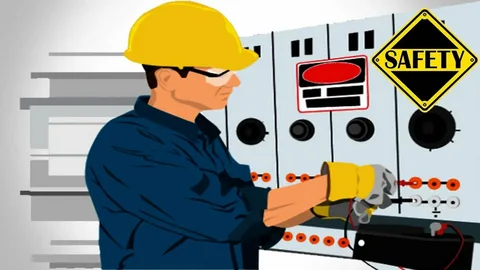
When outages occur, restoring electricity is important, but safety is always the highest priority. Damaged power lines and equipment can pose serious risks to workers and the public.
Before repairs begin, crews must evaluate conditions carefully.
Safety procedures often include:
- Securing hazardous areas
- Isolating damaged equipment
- Confirming safe work conditions
- Coordinating with emergency responders
Rushing repairs without proper precautions could create additional dangers.
The First Step in Restoration: Assessing the Damage
Once an outage is detected, utility personnel begin assessing the situation. Understanding the extent of damage is critical for effective restoration planning.
Assessment teams determine:
- What equipment failed
- How many customers are affected
- What resources are required
Accurate assessments improve restoration efficiency.
Why Utilities Restore Critical Facilities First
Not all customers are restored in the exact order in which outages are reported. Utilities follow established priorities designed to maximize public safety and service recovery.
Critical facilities often receive priority attention.
Examples include:
- Hospitals
- Emergency services
- Water treatment plants
- Communication infrastructure
Restoring these facilities benefits entire communities.
How Restoration Priorities Are Determined
Utilities generally focus first on repairing equipment that will restore power to the largest number of customers.
This approach allows restoration efforts to have the greatest impact.
Typical restoration order:
| Priority Level | Examples |
| Critical infrastructure | Hospitals, emergency centers |
| Major transmission systems | Regional power delivery |
| Substations | Large customer groups |
| Distribution circuits | Neighborhood service |
| Individual service lines | Single homes or buildings |
This strategy maximizes efficiency during large outages.
Repairing Transmission Lines
Transmission lines carry electricity over long distances from power plants to local areas. Damage to these lines can affect thousands of customers simultaneously.
Repairing transmission systems often involves:
- Specialized equipment
- Helicopter inspections
- Large repair crews
- Complex safety procedures
Restoring transmission capacity is often a top priority.
The Role of Substations During Restoration
Substations help regulate voltage and distribute electricity throughout the grid. If a substation experiences damage, significant portions of the local network may lose power.
Substation repairs may involve:
- Equipment replacement
- System testing
- Safety inspections
Restoration teams carefully verify operations before re-energizing equipment.
Why Some Homes Get Power Back Earlier Than Others
Customers sometimes notice neighboring areas receiving power sooner. This does not necessarily mean utilities skipped certain locations.
Different neighborhoods may be served by different circuits, transformers, or substations.
Factors affecting restoration timing include:
- Type of damage
- Location of faults
- Circuit design
- Equipment availability
Every outage scenario is unique.
The Growing Role of Smart Grid Technology
Modern smart grid systems help utilities respond more quickly to outages. Advanced sensors provide detailed information about grid conditions in real time.
Benefits include:
- Faster fault detection
- Improved outage tracking
- Better restoration planning
- Enhanced reliability
Smart grids are transforming outage management.
How Utilities Prepare for Major Storms
Utilities do not wait until disasters occur. Many companies maintain emergency preparedness programs designed to improve response capabilities.
Preparation efforts often include:
- Pre-positioning repair crews
- Inspecting critical equipment
- Monitoring weather forecasts
- Coordinating with emergency agencies
Preparation can significantly reduce restoration times.
Mutual Assistance Programs Help During Emergencies
After major storms, utilities frequently receive assistance from other companies. These mutual assistance agreements allow crews from different regions to work together.
Benefits include:
- Additional personnel
- Specialized equipment
- Faster recovery efforts
These partnerships are especially valuable during large-scale disasters.
How Customers Can Stay Safe During Outages
Power outages create potential hazards that consumers should understand. Safety precautions help reduce risks during service interruptions.
Important recommendations include:
- Stay away from downed power lines
- Use generators safely
- Keep flashlights available
- Preserve phone battery life
- Follow utility updates
Preparedness improves safety and comfort.
Future Technologies Aimed at Reducing Outages
Utilities continue investing in technologies that improve reliability and resilience. As grids become smarter, outage prevention and restoration capabilities are expected to improve.
Emerging technologies include:
- Artificial intelligence monitoring
- Advanced sensors
- Automated switching systems
- Energy storage solutions
- Predictive maintenance software
These innovations could reduce both outage frequency and duration.
FAQs
1. What is the most common cause of power outages?
Severe weather, including storms, strong winds, lightning, and ice, is the most common cause of power outages.
2. Why do utilities restore some areas before others?
Utilities prioritize repairs that restore power to the largest number of customers and critical facilities first.
3. How do utility companies know when power goes out?
Modern utilities use monitoring systems, smart meters, sensors, and customer reports to detect outages quickly.
4. What should I do if I see a downed power line?
Stay far away from the line and immediately report it to the utility company or emergency services.
5. Can power outages be completely prevented?
No electrical system can eliminate all outages, but modern technologies and maintenance programs significantly reduce their frequency and duration.
Conclusion:
Power outages may seem like simple inconveniences, but they are often the result of complex events affecting highly sophisticated electrical systems. Weather conditions, equipment failures, vehicle accidents, wildlife interference, and growing electricity demand can all disrupt the delicate balance required to keep power flowing continuously. Fortunately, utility companies use advanced monitoring systems, skilled repair crews, emergency response plans, and smart grid technologies to identify problems quickly and restore service safely. Their restoration efforts prioritize public safety, critical infrastructure, and the greatest number of affected customers. As electrical systems continue evolving through automation, artificial intelligence, and improved infrastructure investments, utilities will become even better equipped to minimize outages and recover from disruptions. Understanding how outages occur and how restoration works provides valuable insight into the enormous effort required to deliver reliable electricity every day.
CTA: Learn More About the Infrastructure That Powers Modern Life
Electricity powers nearly every aspect of daily life, yet most people rarely think about the systems that make it possible. Continue exploring topics such as power generation, grid reliability, renewable energy, smart grids, and utility operations to better understand the technology and infrastructure working behind the scenes to keep homes, businesses, and communities connected.