
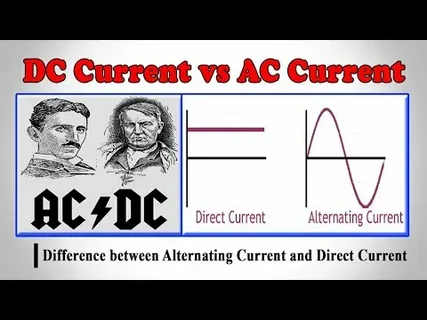
Electricity powers nearly every part of modern life, from the lights in your home to the smartphone in your pocket. Yet behind every electrical device lies an important distinction that many people rarely think about: whether the electricity is alternating current (AC) or direct current (DC). While both forms of electrical power perform the same basic task of delivering energy, they do so in very different ways.
Understanding the difference between AC and DC power isn’t just for engineers and electricians. It affects how electricity is generated, transmitted, stored, and used every day. As renewable energy systems, electric vehicles, battery storage, and smart grids become more common, the conversation around AC and DC power is becoming increasingly relevant to homeowners, businesses, and energy professionals alike.
What Is AC Power?
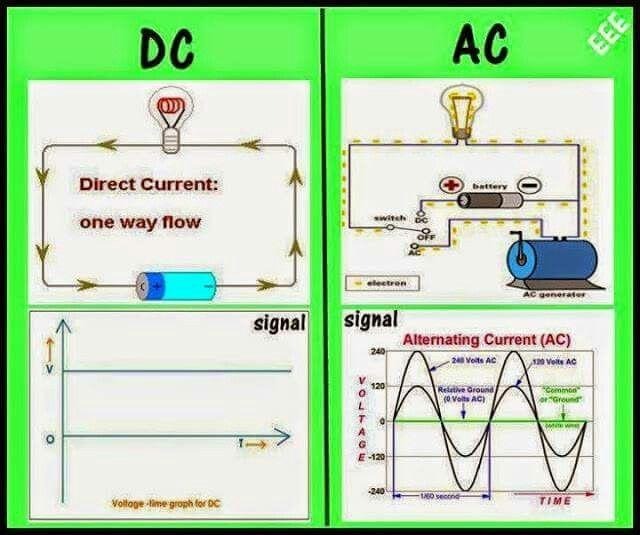
Alternating Current (AC) is a type of electrical current that periodically changes direction. Instead of flowing in a single path, the current oscillates back and forth many times per second. This alternating movement is what gives AC its name.
Most homes and businesses around the world receive AC electricity from the electrical grid because it can be transmitted efficiently over long distances.
Key characteristics of AC power include:
- Current changes direction continuously.
- Voltage can be increased or decreased easily using transformers.
- It is the standard form of power distribution worldwide.
In many countries, AC electricity operates at either 50 Hz or 60 Hz, meaning the current changes direction 50 or 60 times every second.
What Is DC Power?
Direct Current (DC) flows in only one direction. The voltage remains relatively constant, making it ideal for devices that require stable electrical power.
Batteries naturally produce DC electricity, which is why many portable electronic devices rely on direct current.
Common examples of DC power sources include:
- Batteries
- Solar panels
- Electric vehicle battery packs
- USB charging systems
Unlike AC power, DC maintains a steady flow from the negative terminal toward the positive terminal through a circuit.
The Fundamental Difference Between AC and DC
At their core, AC and DC differ in the direction of current flow. This seemingly simple distinction has enormous implications for power generation, transmission, storage, and device design.
| Feature | AC Power | DC Power |
| Current Direction | Alternates continuously | Flows in one direction |
| Voltage Transformation | Easy with transformers | More complex |
| Long-Distance Transmission | Highly efficient | Historically less efficient |
| Battery Storage | Requires conversion | Naturally compatible |
| Household Power | Standard worldwide | Limited direct use |
| Electronics | Often converted to DC | Native operating power |
Understanding these differences helps explain why both systems continue to exist and why each serves unique purposes within modern electrical infrastructure.
Why AC Became the Standard for Power Grids
During the late 19th century, a famous technological competition known as the “War of Currents” emerged between supporters of AC and DC systems.
Early DC systems faced a major challenge: transmitting electricity over long distances resulted in significant energy losses. AC power offered a solution because transformers could easily increase voltage for transmission and reduce it again for safe use.
Higher transmission voltages provide several benefits:
- Reduced energy losses.
- Lower infrastructure costs.
- Greater transmission distances.
- Improved grid efficiency.
Because of these advantages, AC eventually became the dominant method of delivering electricity across national power grids.
How AC Power Travels Long Distances
One of AC’s greatest strengths is its compatibility with transformers.
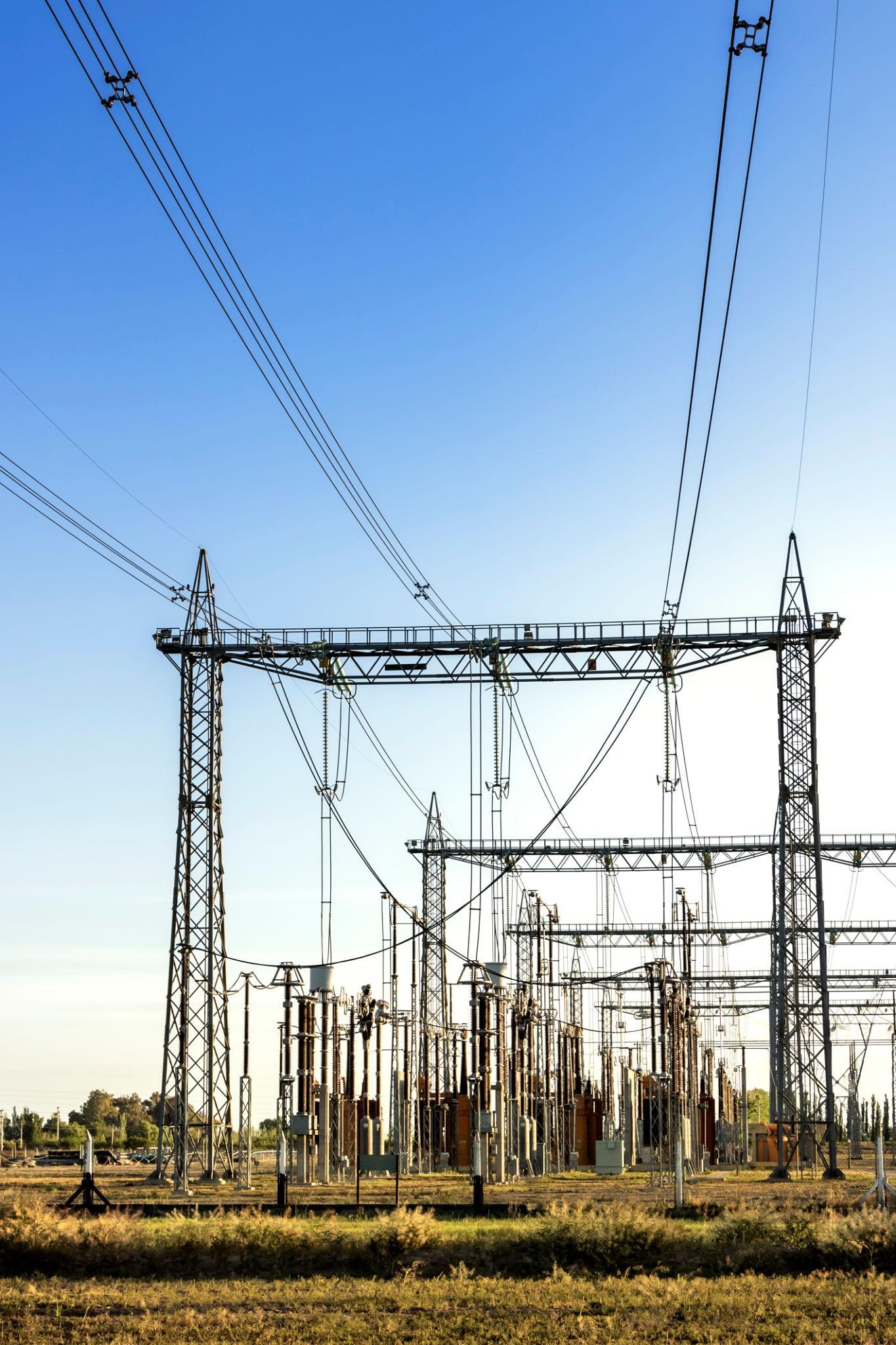
Electricity generated at power plants can be stepped up to extremely high voltages before entering transmission lines. Higher voltage means lower current for the same power output, which significantly reduces energy losses.
The process generally follows these steps:
- Electricity is generated.
- Voltage is increased using transformers.
- Power travels through transmission networks.
- Substations reduce voltage levels.
- Electricity reaches homes and businesses.
This efficiency is one reason AC remains the backbone of modern electrical distribution systems.
Why Modern Electronics Prefer DC Power
Although AC dominates power grids, most electronic devices actually operate using DC power internally.
Devices such as smartphones, laptops, televisions, and gaming consoles require stable voltage levels that AC cannot directly provide.
Common DC-powered technologies include:
- Smartphones
- Computers
- LED lighting
- Routers
- Battery-powered devices
This is why power adapters and chargers exist. They convert incoming AC electricity into usable DC power for electronic equipment.
AC vs DC in Renewable Energy Systems
Renewable energy has renewed interest in direct current technology.
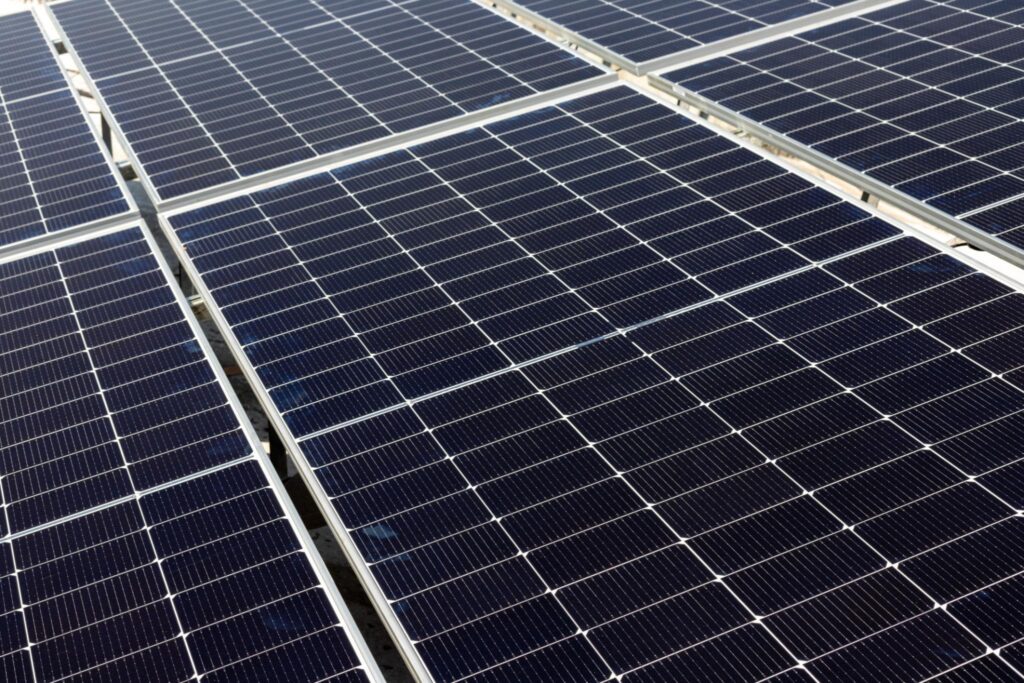
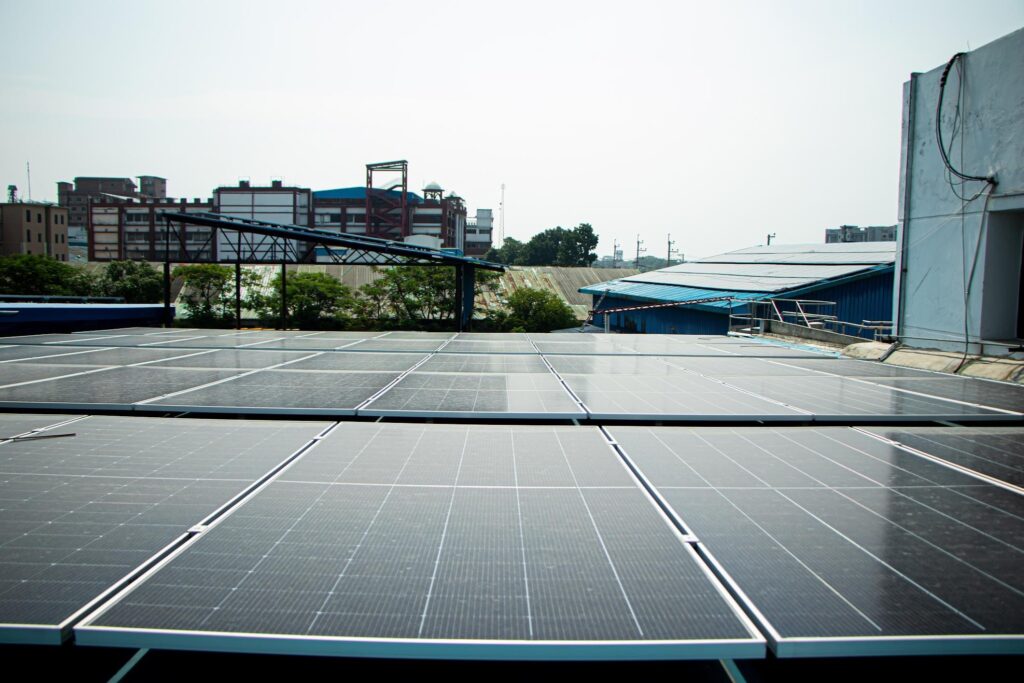
Solar panels naturally generate DC electricity. However, most homes and electrical grids operate using AC power. Therefore, solar installations typically use inverters to convert DC into AC before distribution.
A typical solar energy system includes:
| Component | Power Type |
| Solar Panels | DC |
| Battery Storage | DC |
| Inverter | Converts DC to AC |
| Home Electrical System | AC |
| Utility Grid | AC |
As renewable energy adoption increases, managing AC and DC interactions becomes more important than ever.
The Role of AC and DC in Electric Vehicles
Electric vehicles (EVs) provide one of the most practical examples of both power systems working together.
The vehicle’s battery stores DC electricity. However, charging stations may supply either AC or DC, depending on their design.
AC charging:
- Uses the vehicle’s onboard charger.
- Generally charges more slowly.
- Common in homes and workplaces.
DC fast charging:
- Delivers electricity directly to the battery.
- Bypasses the onboard charger.
- Enables rapid charging.
This combination allows EVs to balance convenience and charging speed.
Is DC Making a Comeback?
For decades, AC-dominated power distribution. However, advances in power electronics have made high-voltage DC transmission increasingly practical.
Modern High-Voltage Direct Current (HVDC) systems are now used for specific applications where they offer advantages over AC transmission.
Benefits of HVDC include:
- Lower transmission losses over very long distances.
- Improved grid stability.
- Better integration of renewable energy sources.
- Efficient underwater power transmission.
Many large-scale renewable energy projects now rely on HVDC infrastructure to move electricity across countries and continents.
Where You Encounter AC and DC Every Day
Most people use both types of electricity daily without realizing it.
Here are some common examples:
| Device or System | AC or DC |
| Wall Outlet | AC |
| Laptop Battery | DC |
| Smartphone | DC |
| Power Plant Output | AC |
| Solar Panels | DC |
| Electric Vehicle Battery | DC |
| Household Appliances | AC |
| LED Light Circuits | DC Internally |
The modern electrical world depends on seamless conversion between these two forms of power.
Safety Considerations for AC and DC Power
Both AC and DC electricity can be dangerous when handled improperly.
AC shocks often cause muscle contractions that make it difficult to release a conductor. DC shocks can deliver continuous current that may result in severe burns or cardiac complications.
Basic safety practices include:
- Never work on energized circuits.
- Use proper protective equipment.
- Follow electrical safety standards.
- Ensure equipment is correctly grounded.
Understanding the type of electricity involved is an important part of safe electrical system design and maintenance.
The Future of AC and DC Power
Rather than one system replacing the other, the future likely involves greater integration between AC and DC technologies.
Emerging trends include:
- Smart electrical grids.
- Renewable energy integration.
- Battery energy storage systems.
- Electric vehicle infrastructure.
- Microgrids and distributed generation.
As technology advances, efficient conversion between AC and DC will become increasingly important. Engineers are already developing smarter systems capable of optimizing power flow between both forms of electricity in real time.
The future electrical landscape may feature more DC-powered devices and renewable energy sources while still relying on AC transmission networks for large-scale distribution.
Conclusion:
The debate between AC and DC power is no longer about choosing one over the other. Instead, it is about understanding how both systems complement each other within modern electrical infrastructure. AC power remains the preferred choice for large-scale generation and long-distance transmission because of its efficiency and compatibility with transformers. DC power, on the other hand, continues to power batteries, electronics, solar energy systems, and electric vehicles due to its stability and compatibility with energy storage.
As renewable energy, battery technology, and smart grids continue to evolve, the relationship between AC and DC power will become even more significant. Whether you’re a homeowner, business owner, student, or energy professional, understanding these two forms of electricity provides valuable insight into how modern power systems operate and where the future of energy is headed.
Call to Action
Want to learn more about how electricity powers the modern world? Explore our collection of expert guides covering electrical grids, renewable energy systems, power transmission technologies, battery storage solutions, and emerging innovations shaping the future of energy. Whether you’re looking to improve your technical knowledge or stay informed about industry trends, understanding the fundamentals of electrical power is the first step toward making smarter energy decisions.
FAQs
1. What is the main difference between AC and DC power?
The primary difference is that AC power continuously changes direction, while DC power flows in a single direction. This distinction affects how electricity is transmitted, stored, and used.
2. Why is AC used for power transmission?
AC can easily be transformed to higher voltages using transformers, allowing electricity to travel long distances with lower energy losses.
3. Do household electronics use AC or DC?
Most electronics operate on DC power internally. However, they receive AC electricity from wall outlets and convert it using power supplies or adapters.
4. Are solar panels AC or DC?
Solar panels generate DC electricity. In most residential systems, an inverter converts that DC power into AC electricity for household use and grid connection.
5. Is DC power more efficient than AC power?
The answer depends on the application. DC is often more efficient for battery storage and electronic devices, while AC remains highly efficient for large-scale power distribution and transmission.