
Electricity is one of the few products that must be produced and consumed almost simultaneously. Unlike food, fuel, or manufactured goods, electricity cannot be stored easily in massive quantities across an entire national grid. Every time someone turns on a light, charges a phone, runs an air conditioner, or powers industrial equipment, electricity must be available at that exact moment. This creates one of the most fascinating engineering challenges in the modern world: balancing electricity supply and demand in real time.
Power grids operate like enormous interconnected networks that constantly adjust to changing conditions. Demand can rise suddenly during a heatwave when millions of air conditioners switch on, or it can fall overnight when homes and businesses reduce electricity usage. Grid operators must continuously monitor these fluctuations and ensure that power generation matches consumption almost perfectly. Even small imbalances can affect grid stability, making real-time balancing one of the most important functions of modern electrical systems.
What Is the Power Grid?
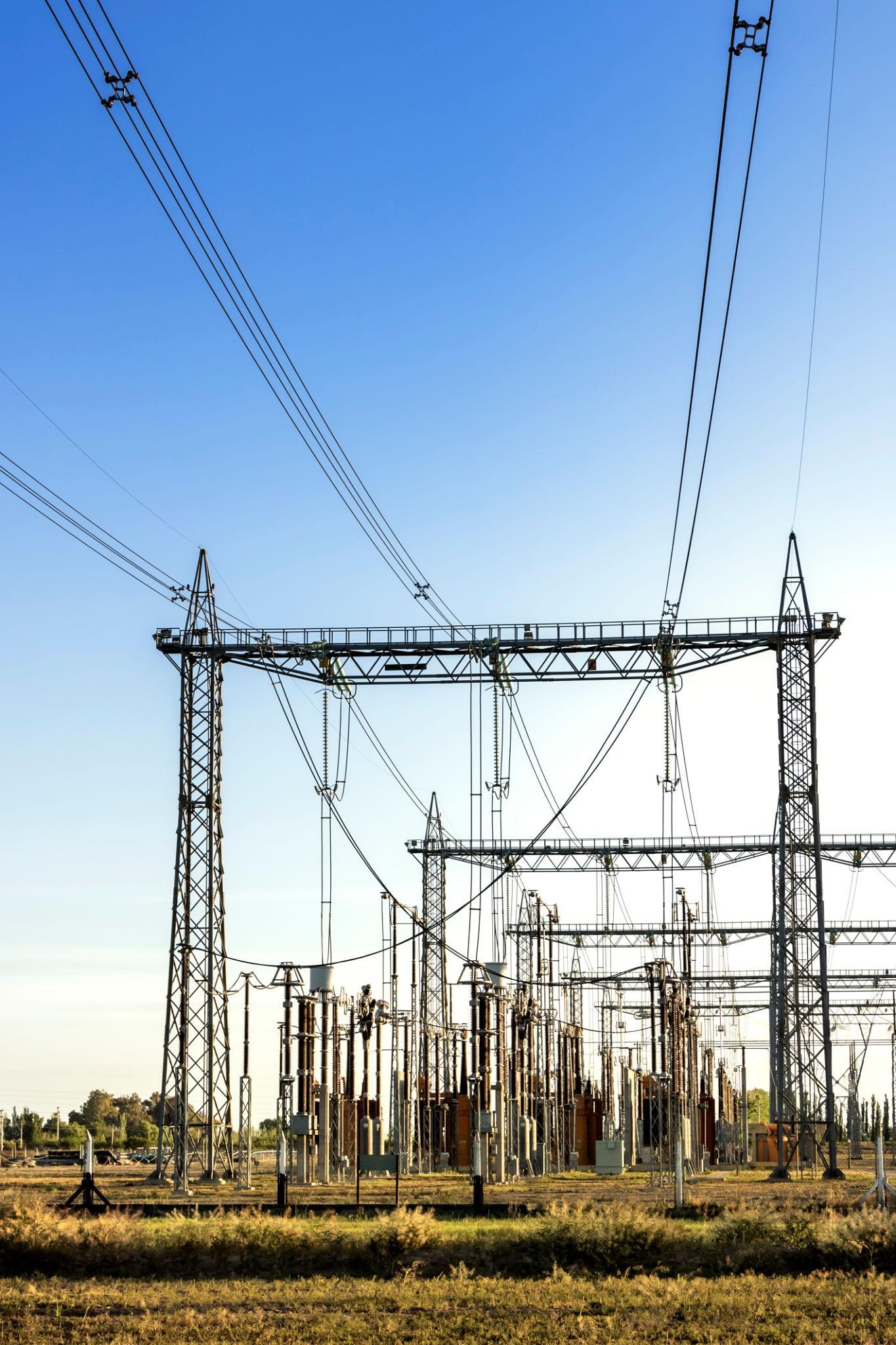
The power grid is a vast network that delivers electricity from power plants to homes, businesses, and industries. It connects generators, transmission lines, substations, and consumers into a single coordinated system.
Without the grid, reliable electricity distribution would be impossible.
- Connects power producers and consumers
- Enables large-scale electricity delivery
- Supports modern economic activity
Why Supply and Demand Must Stay Balanced
Unlike many products, electricity must be generated when it is needed. If demand suddenly exceeds supply, grid stability can suffer. If supply exceeds demand significantly, operational problems can also occur.
Maintaining balance is essential for reliability.
- Prevents power outages
- Protects electrical equipment
- Maintains system stability
Understanding Real-Time Electricity Demand
Electricity demand changes throughout the day. People use different amounts of power depending on activities, weather conditions, and business operations.
Demand is never constant.
| Time of Day | Typical Demand Level |
| Early morning | Moderate |
| Midday | High |
| Evening | Very high |
| Late night | Low |
These fluctuations require constant adjustments from grid operators.
The Challenge of Instantaneous Electricity
When a household switches on an appliance, the grid must respond immediately. Electricity consumption and generation occur almost simultaneously across the network.
There is little room for delay.
- Demand changes every second.
- The generation must respond quickly
- Grid frequency must remain stable
How Grid Operators Monitor Demand
Modern power grids rely on sophisticated monitoring systems that track electricity usage continuously. Operators receive real-time data from thousands of locations.
This information helps predict and manage changes.
- Tracks power consumption instantly
- Identifies unusual demand spikes
- Supports operational decisions
Forecasting Electricity Demand
Accurate forecasting is one of the most important tools used by grid operators. Predicting demand allows power plants to prepare for expected consumption levels.
Forecasting uses multiple factors.
- Weather conditions
- Historical usage patterns
- Economic activity
- Seasonal trends
Better forecasts improve grid reliability.
Why Weather Has a Huge Impact
Weather strongly influences electricity demand. During hot summers, air conditioning usage can dramatically increase consumption. During cold winters, electric heating can have a similar effect.
Weather forecasting supports grid planning.
| Weather Event | Impact on Demand |
| Heatwave | Increased demand |
| Cold spell | Increased demand |
| Mild weather | Lower demand |
| Storm conditions | Variable demand |
Grid operators closely monitor weather predictions.
The Role of Power Plants
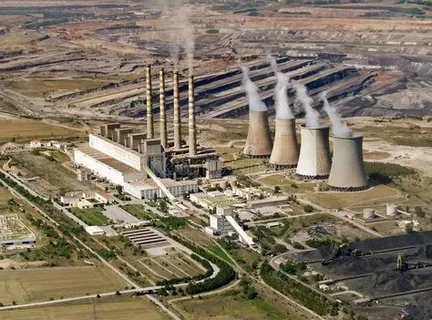
Power plants generate electricity to meet consumer demand. Different types of plants play different roles in balancing the grid.
Some plants operate continuously, while others can adjust output quickly.
- Coal plants provide steady generation
- Natural gas plants offer flexibility
- Hydropower can respond rapidly
Each source contributes differently.
Base Load Power Generation
Base load power refers to the minimum level of electricity demand that exists throughout the day. Certain power plants are designed to provide this continuous supply.
These facilities typically run most of the time.
- Nuclear plants often serve base load needs
- Large hydro facilities may contribute
- Some fossil fuel plants operate continuously
Base load generation forms the grid’s foundation.
Peak Demand and Peak Power Plants
Electricity demand occasionally reaches very high levels. Peak power plants help meet these temporary surges.
They can increase output quickly when needed.
| Power Source | Response Speed |
| Natural gas turbines | Fast |
| Hydropower | Very fast |
| Nuclear power | Slower |
| Coal plants | Moderate |
Flexible resources are essential during peak demand periods.
Understanding Grid Frequency
Power grids operate at a specific frequency. In many countries, this is either 50 Hz or 60 Hz.
Frequency acts like the grid’s health indicator.
When supply and demand remain balanced, frequency stays stable.
Small deviations can signal imbalances.
What Happens When Demand Exceeds Supply?
If demand becomes greater than available generation, the grid frequency may begin to drop. Operators must respond quickly to restore balance.
Potential consequences include:
- Reduced reliability
- Equipment stress
- Risk of outages
Fast intervention is critical.
What Happens When Supply Exceeds Demand?
Excess generation can also create problems. Too much electricity entering the system can raise the frequency above the desired levels.
Grid operators must reduce generation accordingly.
- Protects equipment
- Maintains stability
- Prevents operational issues
Balance works both ways.
How Automatic Control Systems Help
Modern power grids use automated systems that adjust generation levels continuously. These systems respond far faster than humans alone could manage.
Automation improves efficiency.
- Adjusts power output rapidly
- Maintains frequency stability
- Reduces operational risk
Technology plays a major role in grid management.
The Importance of Spinning Reserves
Grid operators maintain backup generation resources called spinning reserves. These generators remain ready to increase output if needed.
Spinning reserves provide security.
- Respond within minutes
- Cover unexpected demand increases
- Support grid reliability
They act as an emergency safety buffer.
Demand Response Programs
Instead of increasing generation, utilities sometimes reduce demand. Demand response programs encourage consumers to use less electricity during peak periods.
This approach improves efficiency.
- Reduces grid stress
- Lowers operational costs
- Supports reliability
Consumers become part of the solution.
How Smart Grids Improve Balancing
Traditional grids relied heavily on centralized control. Smart grids use advanced communication technologies to improve visibility and responsiveness.
Benefits include:
- Better monitoring
- Faster decision-making
- Improved efficiency
Smart technology strengthens grid operations.
Renewable Energy Creates New Challenges
Renewable energy sources such as solar and wind are growing rapidly. While environmentally beneficial, they introduce variability into electricity generation.
Generation depends on natural conditions.
| Renewable Source | Challenge |
| Solar | Sunlight varies |
| Wind | Wind speeds fluctuate |
| Hydropower | Water availability changes |
Grid operators must account for these variations.
How Energy Storage Helps
Large-scale battery systems are becoming increasingly important for grid balancing. Batteries can store excess electricity and release it later when needed.
Energy storage offers flexibility.
- Supports renewable integration
- Improves reliability
- Responds rapidly to demand changes
Battery technology continues to advance.
Interconnected Grids Improve Stability
Many regions connect multiple power systems together. Interconnections allow electricity to flow between areas when needed.
This provides additional flexibility.
- Shares resources across regions
- Improves reliability
- Supports emergency response
Larger networks often operate more efficiently.
Preventing Blackouts Through Grid Management
Grid balancing plays a major role in preventing widespread outages. Operators continuously monitor conditions and take corrective actions before problems escalate.
Preventive measures include:
- Adjusting generation
- Activating reserves
- Managing demand
These actions help maintain uninterrupted service.
Artificial Intelligence and Future Grid Operations
Artificial intelligence is becoming increasingly valuable for managing modern power systems. Advanced algorithms can analyze enormous amounts of data and improve forecasting accuracy.
Future grids may become even smarter.
- Better demand prediction
- Faster response times
- Improved renewable integration
Technology continues to reshape electricity management.
Why Grid Balancing Matters to Consumers
Most people never think about grid balancing because it happens behind the scenes. However, every reliable light switch, charging device, and appliance depends on successful real-time management.
Reliable electricity supports modern life.
- Keeps homes powered
- Supports businesses
- Enables economic activity
Grid balancing benefits everyone.
Common Misconceptions About Power Grids
Many people misunderstand how electricity systems operate. Understanding these misconceptions helps explain why balancing is so important.
| Myth | Reality |
| Electricity is stored everywhere | Most must be generated when needed |
| Demand remains constant | Demand changes constantly |
| Power plants operate independently | They work as part of a coordinated grid |
| Renewable energy eliminates balancing needs | Balancing becomes even more important |
Accurate knowledge improves appreciation for grid operations.
The Future of Real-Time Grid Management
As electricity demand grows and renewable energy expands, grid balancing will become even more sophisticated. Emerging technologies will improve flexibility, forecasting, and responsiveness.
Future innovations may include:
- Advanced battery storage
- AI-powered forecasting
- Smarter demand response systems
These developments will help maintain reliability in increasingly complex power systems.
FAQs
1. Why must electricity supply and demand stay balanced?
Electricity must be generated and consumed almost simultaneously. Imbalances can affect grid stability and reliability.
2. How do grid operators know how much electricity is being used?
They use real-time monitoring systems that continuously track consumption across the power network.
3. What happens if demand suddenly increases?
Grid operators increase generation, activate reserves, or use demand response measures to restore balance.
4. Why are renewable energy sources challenging for grid operators?
Solar and wind generation depend on weather conditions, making their output less predictable than traditional power plants.
5. How do batteries help power grids?
Battery systems store excess electricity and release it when demand rises, improving flexibility and reliability.
Conclusion:
The ability of power grids to balance electricity supply and demand in real time is one of the greatest engineering achievements of the modern world. Every second of every day, grid operators, automated systems, power plants, and advanced monitoring technologies work together to ensure that electricity generation closely matches consumption. This delicate balance keeps homes illuminated, businesses operating, hospitals functioning, and industries productive. As renewable energy adoption increases and electricity demand continues to evolve, real-time grid management will become even more important. Through innovations such as smart grids, energy storage systems, artificial intelligence, and improved forecasting, power systems are becoming more resilient and adaptable. Understanding how this balancing process works provides valuable insight into the complex infrastructure that powers everyday life.
CTA: Explore More About How Modern Power Systems Work
The power grid is far more complex and fascinating than most people realize. If you want to better understand electricity, renewable energy, energy storage, and the technologies shaping the future of power systems, continue exploring educational resources in the energy sector. A deeper understanding of how electricity is generated, transmitted, and balanced can help you make smarter energy decisions and appreciate the infrastructure that keeps the modern world running.