
The electrical power industry is entering a transformative era where traditional systems are rapidly evolving into intelligent, interconnected, and highly efficient networks. As global energy consumption rises, the focus is shifting toward smarter infrastructure that can support sustainability while maintaining reliability and affordability. This shift is not just technological—it represents a complete rethinking of how energy is produced, distributed, and consumed.
From cutting-edge digital grids to next-generation storage systems, the future of electricity is being shaped by continuous innovation. These advancements are not only improving performance but also enabling cleaner and more resilient energy ecosystems that can support future generations.
Smart Grids: The Digital Backbone of Energy Systems
Smart grids are redefining how electricity flows through modern infrastructure. By integrating sensors, automation, and real-time data analytics, they create a dynamic system capable of responding instantly to changes in demand and supply.
These systems also support decentralized energy sources, allowing households and industries to contribute power back into the grid efficiently.
- Enable real-time monitoring and automation of electricity flow
- Reduce power outages through predictive maintenance systems
- Improve the integration of renewable energy sources
Intelligent Load Balancing in Smart Grids
One of the most important advancements in smart grid technology is intelligent load balancing. This ensures electricity is distributed efficiently based on demand patterns, reducing waste and improving system stability. Utilities can now predict peak usage times and adjust distribution automatically.
Smart grids also reduce energy theft and improve billing accuracy through digital metering systems.
Smart Grid Technologies Overview
| Technology | Function | Benefit |
| Smart Meters | Track real-time consumption | Accurate billing |
| Sensors | Monitor grid performance | Fault detection |
| AI Systems | Predict demand patterns | Efficient distribution |
Renewable Energy Integration in Power Systems
Renewable energy sources are becoming central to global electricity production. Solar, wind, hydro, and biomass energy systems are increasingly replacing traditional fossil fuel-based generation.
However, integrating these sources into existing power grids requires advanced planning and adaptive infrastructure capable of managing fluctuating energy output.
- Reduce dependency on fossil fuels
- Lower carbon emissions significantly
- Increase long-term energy sustainability
Hybrid Energy Systems and Grid Stability
Hybrid energy systems combine multiple renewable sources to ensure consistent power output. For example, solar and wind energy can complement each other, reducing variability and enhancing reliability.
These systems also use predictive analytics to optimize energy distribution across regions.
Renewable Energy Comparison Table
| Energy Source | Reliability | Cost Trend | Environmental Impact |
| Solar | Medium | Decreasing | Very Low |
| Wind | Medium | Decreasing | Very Low |
| Hydro | High | Stable | Low |
| Biomass | Medium | Stable | Moderate |
Advanced Energy Storage Technologies
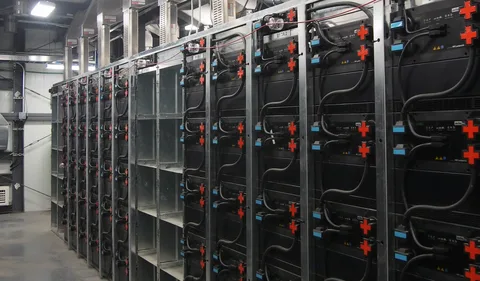
Energy storage is one of the most critical components of modern electrical systems. Since renewable energy is not always available, storage systems ensure a continuous electricity supply during periods of low generation.
New advancements are significantly improving storage capacity, efficiency, and lifespan.
- Store excess energy during peak production periods
- Stabilize grid fluctuations and prevent blackouts
- Support renewable energy scalability
Next-Generation Battery Innovations
Solid-state batteries and flow batteries are emerging as game-changers in energy storage. They offer higher energy density, improved safety, and a longer life cycle compared to traditional lithium-ion batteries.
These innovations are expected to revolutionize both utility-scale storage and consumer electronics.
Energy Storage Technologies Table
| Technology | Efficiency | Lifespan | Application Area |
| Lithium-ion | High | Medium | EVs, Grid Storage |
| Solid-State | Very High | High | Future EVs |
| Flow Batteries | Medium | Very High | Utility Storage |
Artificial Intelligence in Power Management
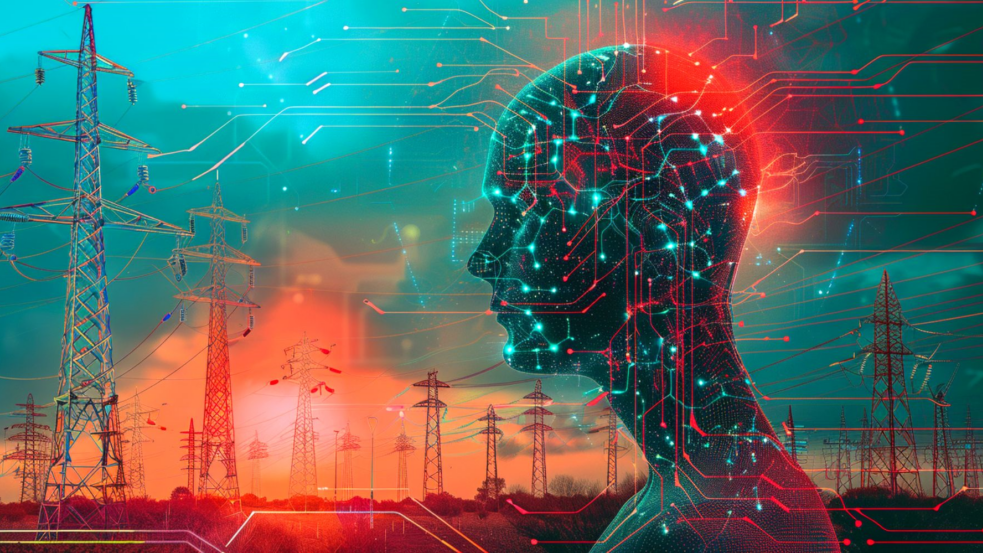
Artificial Intelligence (AI) is transforming how energy systems are monitored and controlled. AI algorithms analyze massive datasets to optimize electricity generation, reduce waste, and improve system reliability.
Utilities now rely on AI for predictive maintenance, demand forecasting, and fault detection.
- Predict equipment failures before they occur
- Optimize real-time energy distribution
- Reduce operational costs significantly
Machine Learning for Predictive Energy Systems
Machine learning models continuously learn from grid behavior, allowing systems to adapt dynamically. This ensures better performance during peak demand and minimizes downtime.
Artificial intelligence is also being used in demand-side management, helping consumers reduce energy consumption through smart recommendations.
Decentralized Energy Systems and Microgrids
The shift from centralized power plants to decentralized systems is reshaping the energy landscape. Microgrids allow localized energy production and consumption, improving resilience and independence.
Homes, businesses, and communities can now generate their own electricity using solar panels and small-scale wind systems.
- Improve local energy independence
- Reduce transmission losses significantly
- Enhance resilience during grid failures
Community-Based Energy Sharing Models
One emerging concept is peer-to-peer energy trading, where consumers can sell excess electricity to neighbors. This creates a more democratic and flexible energy system.
Microgrids are especially useful in remote areas where traditional infrastructure is limited.
Electrification of Transportation and Energy Demand Shift
Electric vehicles (EVs) are rapidly changing the global energy demand structure. As EV adoption grows, electricity consumption patterns are shifting toward more dynamic and flexible usage.
Charging infrastructure is also expanding rapidly to support this transition.
- Reduce greenhouse gas emissions from transport
- Increase demand for clean electricity
- Enable vehicle-to-grid energy exchange systems
Vehicle-to-Grid (V2G) Technology Impact
Vehicle-to-grid systems allow EVs to return electricity to the grid during peak demand periods. This turns vehicles into mobile energy storage units, improving grid stability.
This concept is expected to play a major role in future smart cities.
Emerging Technologies Shaping Future Power Systems
The future of electrical power will be driven by breakthrough technologies that enhance efficiency, sustainability, and resilience. Innovations such as hydrogen energy, superconductors, and advanced digital twins are gaining attention.
These technologies are expected to redefine how energy systems are designed and operated.
- Improve transmission efficiency with superconductors
- Enable carbon-free hydrogen energy production
- Create highly accurate digital energy simulations
Digital Twin Technology in Energy Systems
Digital twins are virtual replicas of physical energy systems. They allow engineers to simulate performance, predict failures, and optimize operations before implementing real-world changes.
This reduces risks and significantly improves system efficiency.
FAQs
What is driving the future of electrical power systems?
Renewable energy, smart grids, AI, and advanced storage technologies are driving the future by making power systems more efficient, reliable, and sustainable.
How do smart grids improve energy efficiency?
Smart grids use real-time data and automation to balance electricity supply and demand, reducing waste and improving reliability.
Why is energy storage important for renewable energy?
Energy storage ensures that excess solar and wind power is stored and used later, providing a stable, continuous energy supply.
What role does AI play in electrical power management?
AI helps predict demand, detect faults, and optimize energy distribution, improving efficiency and reducing operational costs.
How will electric vehicles impact the power grid?
Electric vehicles increase electricity demand but also support the grid through smart charging and vehicle-to-grid energy sharing.
Conclusion
The evolution of electrical power systems marks one of the most important technological shifts of the modern era. From smart grids and renewable integration to AI-driven automation and advanced storage solutions, every innovation is contributing to a more efficient and sustainable energy ecosystem.
What makes this transformation truly powerful is its interconnected nature. Each advancement supports the other—renewables depend on storage, storage depends on smart grids, and smart grids rely on AI for optimization. Together, they create a unified system that is far more resilient than traditional infrastructure.
As global demand continues to rise, the importance of upgrading existing systems becomes even more critical. Countries and industries that invest early in these technologies will gain a significant advantage in efficiency, cost reduction, and energy independence.
The Urgent Shift Toward a Smarter Energy Future
The global energy landscape is evolving faster than ever, driven by technological breakthroughs and increasing demand for sustainability. Nations, industries, and consumers are all moving toward cleaner, more intelligent power systems that prioritize efficiency and resilience.
Delaying adaptation to these innovations may lead to inefficiencies, higher operational costs, and increased environmental impact. The transition is no longer optional—it is becoming a necessary step for long-term energy security and economic stability.
A smarter energy future depends on immediate investment in modern infrastructure, digital technologies, and renewable integration. The decisions made today will determine the reliability and sustainability of tomorrow’s power systems.
Forward-thinking strategies, continuous innovation, and proactive adoption of new technologies will shape a more stable and efficient global energy ecosystem. The time to evolve is now, as the future of electrical power is already unfolding.