
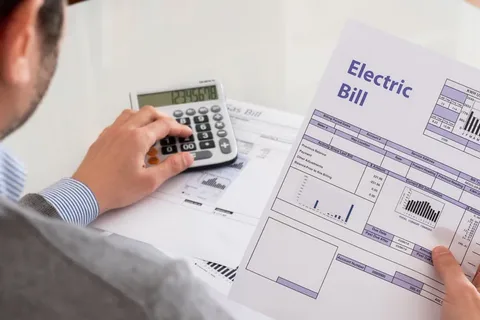
Most people glance at their electricity bill, look at the amount due, and move on. As long as the lights stay on and the payment gets made, the details often go unnoticed. However, an electricity bill contains much more information than simply the total amount owed. It provides insight into how much energy you use, when you use it, and the various costs involved in delivering electricity to your home or business.
Taking the time to understand your bill can help you become a more informed energy consumer. Whether you’re trying to lower monthly expenses, compare electricity plans, or simply understand where your money goes, learning what each line item means can reveal valuable information. Once you know how utility companies calculate charges, your bill becomes a useful tool rather than a confusing statement filled with unfamiliar terms and numbers.
Why Understanding Your Electricity Bill Matters
Your electricity bill is more than a monthly payment request. It serves as a detailed report of your energy consumption and the costs associated with generating, transmitting, and delivering power to your property.
By understanding the information presented on your bill, you can identify usage trends, spot unexpected increases, and make better decisions about energy efficiency.
Key benefits include:
- Tracking changes in energy consumption.
- Identifying opportunities to reduce costs.
- Understanding utility rates and charges.
Consumers who regularly review their bills often have greater control over their household energy expenses.
The Basic Structure of an Electricity Bill
Although utility companies use different formats, most electricity bills contain similar sections. These sections provide information about account details, energy usage, rates, taxes, and total charges.
A typical electricity bill is designed to show how much electricity you consumed during a billing cycle and how those units translate into financial charges.
Most bills include:
- Customer account information.
- Billing period dates.
- Meter readings.
- Energy usage data.
- Cost breakdowns.
Understanding these sections makes the entire statement easier to interpret.
Account Information and Billing Period
The first section usually contains your account details and billing cycle information. This identifies the customer, service address, account number, and the specific period covered by the bill.
The billing period represents the number of days during which your electricity consumption was measured.
Common information includes:
- Account number.
- Service address.
- Billing date.
- Due date.
- Billing cycle length.
Longer or shorter billing periods can affect total charges, so comparing bills requires attention to the number of billing days.
Understanding Meter Readings
Electric utilities use meters to measure electricity consumption. Modern smart meters automatically record usage, while older systems may rely on periodic readings.
The difference between the current and previous meter reading determines how much electricity was consumed during the billing period.
Typical meter information includes:
| Meter Detail | Purpose |
| Previous Reading | Starting point of the billing cycle |
| Current Reading | Ending point of the billing cycle |
| Total Usage | Difference between readings |
| Meter Number | Identifies the installed meter |
Meter readings form the foundation for nearly every charge on your bill.
What Is a Kilowatt-Hour (kWh)?
One of the most important terms on any electricity bill is the kilowatt-hour, commonly abbreviated as kWh.
A kilowatt-hour measures energy consumption rather than power. It represents using 1,000 watts of electricity for one hour.
For example:
| Appliance | Usage Time | Energy Used |
| 1000-Watt Heater | 1 Hour | 1 kWh |
| 100-Watt Light Bulb | 10 Hours | 1 kWh |
| 500-Watt Appliance | 2 Hours | 1 kWh |
Most residential electricity charges are based largely on the number of kilowatt-hours consumed during the billing cycle.
Energy Supply Charges Explained
One major component of your bill is the supply charge.
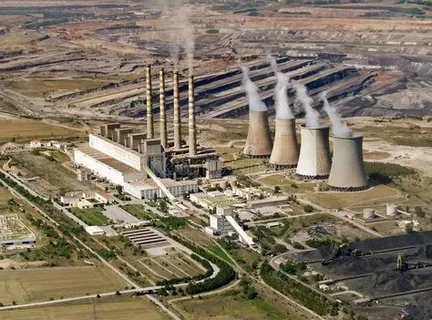
Supply charges cover the cost of generating or purchasing electricity before it reaches your property. Utilities must produce power from various sources or purchase electricity from energy markets.
Supply costs generally reflect:
- Fuel expenses.
- Power generation costs.
- Energy market prices.
- Purchased electricity agreements.
These charges may fluctuate depending on market conditions and fuel costs.
Delivery Charges: Paying for the Grid
Many consumers are surprised to learn that part of their bill covers electricity delivery rather than electricity itself.
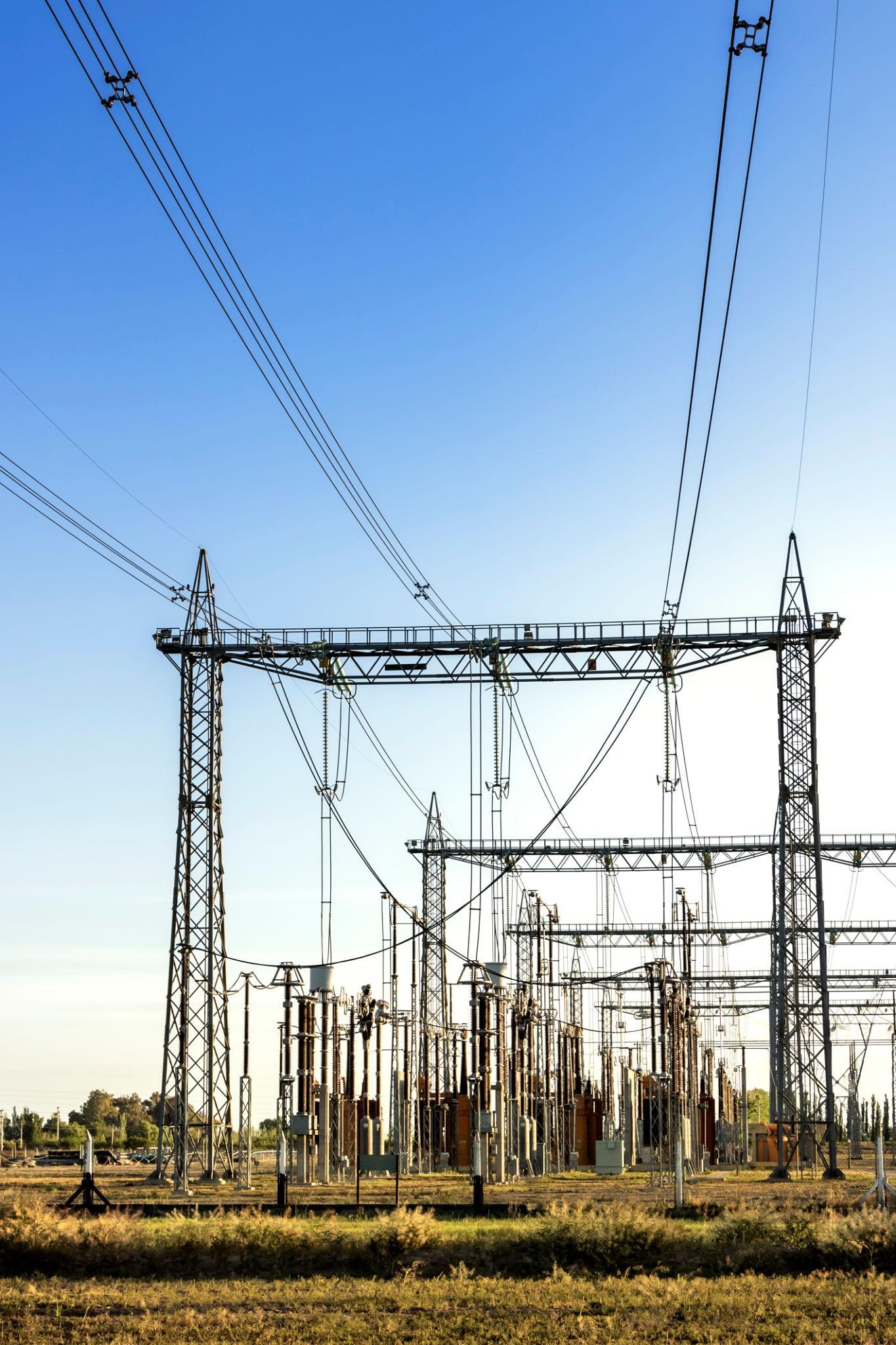
Delivery charges fund the infrastructure required to move electricity from power plants to homes and businesses.
These expenses support:
- Transmission lines.
- Distribution networks.
- Substations.
- Utility maintenance.
- Grid modernization projects.
Even if electricity prices remain stable, delivery charges may increase due to infrastructure investments.
Understanding Transmission Charges
Transmission charges specifically relate to moving electricity across high-voltage power lines.
These lines form the backbone of the electrical grid and connect generation facilities with regional distribution systems.
Transmission-related costs help fund:
- High-voltage networks.
- Grid reliability programs.
- System upgrades.
- Regional interconnections.
While customers rarely see transmission infrastructure directly, it plays a critical role in ensuring reliable electricity delivery.
Distribution Charges and Local Service Costs
Once electricity reaches your community, local distribution systems deliver power to individual customers.
Distribution charges cover the cost of maintaining this local network.
Examples include:
- Utility poles.
- Transformers.
- Neighborhood power lines.
- Local maintenance crews.
These charges ensure electricity can safely reach homes and businesses throughout the service area.
Fixed Charges and Service Fees
Many electricity bills include fixed monthly charges regardless of energy usage.
These fees help utilities recover costs associated with maintaining customer accounts and infrastructure.
Common fixed charges include:
- Basic service fees.
- Meter maintenance fees.
- Customer service costs.
- Administrative expenses.
Because these charges remain constant, reducing energy usage alone may not eliminate them.
Demand Charges: More Common for Businesses
Some electricity customers, particularly commercial and industrial users, encounter demand charges.
Unlike energy charges that depend on total consumption, demand charges reflect the highest rate of electricity use during a billing period.
For example:
A facility that briefly uses a large amount of electricity may create higher strain on the grid than a customer with steady usage.
Demand charges encourage:
- Load management.
- Energy efficiency.
- Reduced peak demand.
While less common in residential billing, some advanced residential rate plans now incorporate demand-based pricing.
Time-of-Use Rates Explained
Utilities increasingly use Time-of-Use (TOU) pricing structures.
Under TOU programs, electricity costs vary depending on when energy is consumed.
Typical periods include:
| Period | Typical Cost |
| Peak Hours | Highest |
| Mid-Peak Hours | Moderate |
| Off-Peak Hours | Lowest |
This pricing structure encourages consumers to shift energy-intensive activities away from periods of high grid demand.
Examples include:
- Running dishwashers overnight.
- Charging EVs during off-peak hours.
- Scheduling laundry during lower-cost periods.
Taxes and Government Charges
Taxes often represent a noticeable portion of an electricity bill.
The specific taxes depend on local regulations and utility service areas.
Potential charges include:
- Sales tax.
- Energy taxes.
- Environmental fees.
- Municipal assessments.
These costs are generally imposed by governments rather than utilities.
Renewable Energy and Environmental Charges
Many utilities include environmental programs within their rate structures.
These charges support investments in cleaner energy sources and sustainability initiatives.
Funding may support:
- Solar projects.
- Wind farms.
- Carbon reduction programs.
- Energy efficiency incentives.
Although these fees are often relatively small, they contribute to broader environmental objectives.
Fuel Adjustment Charges
Electricity generation costs can fluctuate significantly due to fuel prices.
To address this variability, many utilities use fuel adjustment clauses.
These charges allow utilities to account for changing costs associated with:
- Natural gas.
- Coal.
- Oil.
- Purchased power.
Fuel adjustments may increase or decrease depending on market conditions during the billing cycle.
Understanding Peak Demand and Grid Costs
Electric grids must be capable of meeting demand even during periods of maximum consumption.
When many customers use electricity simultaneously, utilities must maintain additional generating capacity and infrastructure.
Peak demand often occurs during:
- Summer afternoons.
- Winter heating periods.
- Extreme weather events.
Managing peak demand helps improve grid reliability while controlling costs.
How Smart Meters Are Changing Electricity Bills
Modern smart meters provide significantly more information than traditional meters.
Instead of monthly snapshots, smart meters can collect data at frequent intervals throughout the day.
Benefits include:
- More accurate billing.
- Real-time consumption tracking.
- Faster outage detection.
- Improved energy management.
Many utility companies now offer online dashboards that allow customers to monitor usage patterns in detail.
Why Your Electricity Bill Changes Each Month
Many factors influence monthly electricity costs.
Even if electricity rates remain unchanged, consumption patterns can vary significantly.
Common reasons include:
- Seasonal temperature changes.
- Heating and cooling usage.
- Additional appliances.
- Occupancy changes.
- Rate adjustments.
Comparing usage rather than total cost often provides a clearer picture of consumption trends.
How to Analyze Electricity Usage Trends
One of the most valuable sections of many bills is the historical usage comparison.
These charts allow consumers to track energy use over time.
Look for:
- Seasonal patterns.
- Sudden spikes.
- Long-term trends.
- Year-over-year comparisons.
Identifying unusual increases can help detect inefficient equipment or changing consumption habits.
Practical Ways to Lower Electricity Costs
Understanding your bill is the first step toward controlling energy expenses.
Small efficiency improvements can often produce meaningful savings over time.
Effective strategies include:
- Switching to LED lighting.
- Upgrading inefficient appliances.
- Improving insulation.
- Adjusting thermostat settings.
- Reducing standby power consumption.
Consumers who monitor both usage and billing trends are often better positioned to reduce costs without sacrificing comfort.
Comparing Common Electricity Bill Charges
The following table summarizes some of the most common line items consumers encounter.
| Charge Type | What It Covers |
| Energy Charge | Electricity generation or purchase |
| Delivery Charge | Transportation through the grid |
| Transmission Charge | High-voltage power movement |
| Distribution Charge | Local delivery infrastructure |
| Fixed Service Fee | Account and meter maintenance |
| Fuel Adjustment | Fuel cost fluctuations |
| Environmental Fee | Sustainability programs |
| Taxes | Government-imposed charges |
Understanding these categories can make even complex utility statements much easier to interpret.
FAQs
1. What does kWh mean on an electricity bill?
A kilowatt-hour (kWh) measures the amount of electricity consumed over time. It represents using 1,000 watts of power for one hour and is the primary unit utilities use for billing.
2. Why are delivery charges separate from energy charges?
Energy charges cover the electricity itself, while delivery charges fund the infrastructure required to transport power from generation facilities to your home or business.
3. Why does my electricity bill change every month?
Monthly bills can vary due to weather conditions, appliance usage, billing cycle length, seasonal demand, electricity rates, and fuel cost adjustments.
4. What are peak and off-peak electricity rates?
Peak rates apply during periods of high electricity demand, while off-peak rates are lower during times when overall grid demand is reduced.
5. How can I reduce my electricity bill without major upgrades?
Simple actions such as using LED lighting, adjusting thermostat settings, unplugging unused devices, and shifting energy use to off-peak hours can help reduce electricity costs.
Conclusion:
An electricity bill may appear complicated at first glance, but each line item serves a specific purpose within the broader electrical system. From energy supply and transmission costs to distribution fees, taxes, and environmental programs, every charge reflects a component of the journey electricity takes before reaching your home. Understanding these charges allows consumers to make informed decisions about energy usage, compare rate plans more effectively, and identify opportunities for savings.
As utilities continue adopting smart meters, dynamic pricing models, and modern grid technologies, electricity bills will likely provide even greater insight into consumption patterns. Rather than viewing your monthly statement as simply a payment request, consider it a valuable resource for understanding how you use energy and how the electrical system supports your daily life.
Call to Action
Want to take control of your energy costs and make smarter electricity decisions? Start by reviewing your next utility bill line by line and comparing your usage patterns over several months. The more you understand about how electricity is measured, delivered, and billed, the better equipped you’ll be to reduce waste, improve efficiency, and manage household expenses. Explore our other guides on electrical systems, energy efficiency, smart meters, and power management to continue building your knowledge of the modern energy landscape.