Microgrids and Energy Resilient Communities: Powering a Stable Future

Microgrids are reshaping modern electrical systems by introducing a decentralized approach to power generation and distribution. Instead of relying entirely on large, centralized grids, communities can now generate and manage electricity locally. This shift is not just a technological upgrade—it represents a structural transformation in how energy systems operate and
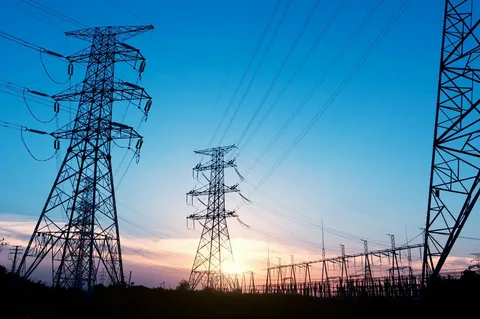
Understanding Power Factor and Its Impact on Electrical Energy Efficiency
What Power Factor Really Means in Electrical Systems Power factor is a key indicator of how effectively electrical energy is being used in any system. It shows the relationship between useful power and total power supplied. In simple terms, it tells us how much of the electricity delivered is actually
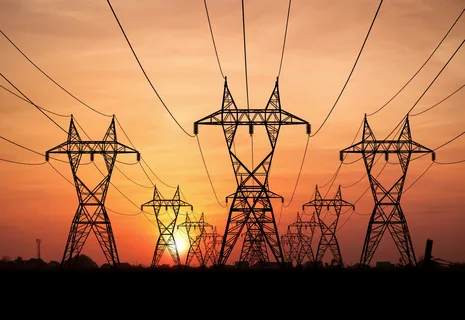
Building a Future as a Licensed Electrician in the Power Industry
A career as a licensed electrician remains one of the most reliable and technically rewarding paths within the electrical power sector. It combines hands-on technical work with analytical thinking, allowing professionals to directly contribute to the infrastructure that powers homes, businesses, and industries. As electrical systems become more advanced and
Inside Hydroelectric Dams: How Flowing Water Becomes Electricity
Hydroelectric dams represent one of the most remarkable achievements in modern energy engineering, where natural forces are transformed into reliable electricity. By harnessing the continuous movement of water, these systems convert river flow into usable power that supports homes, industries, and entire power grids. The process is both elegant and
Smart Meters Explained: How They Track Electricity and Transform Power Use
What Are Smart Meters and How Do They Work? Smart meters are advanced digital devices used in modern electrical power systems to measure electricity consumption in real time. Unlike traditional meters that only record total energy usage over a billing cycle, smart meters continuously monitor electricity flow and send data
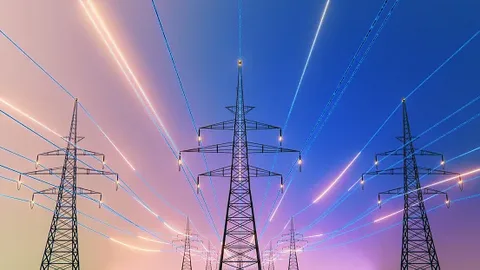
Why Some Countries Use 110V and Others Use 220V
Electricity is one of the most fundamental systems powering modern civilization, yet it is far from uniform across the world. One of the most noticeable differences travelers and engineers encounter is the variation in household voltage standards. Some countries operate on approximately 110V systems, while others rely on 220V to
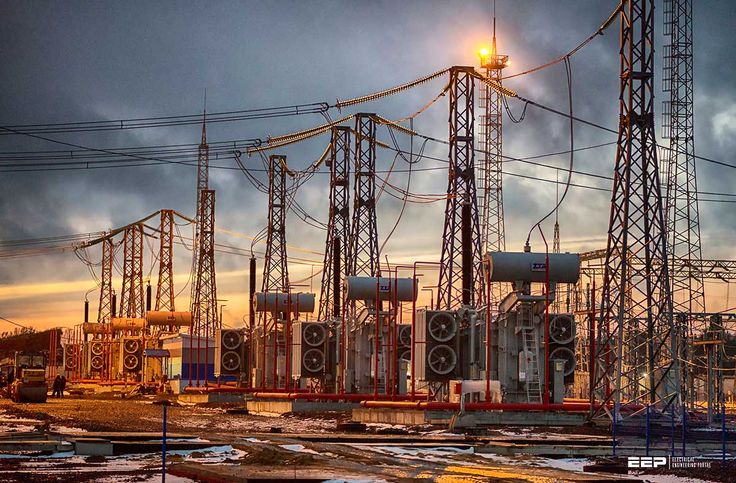
Electrical Power Revolution: How Innovations Shape Tomorrow’s Energy Future
The electrical power industry is entering a transformative era where traditional systems are rapidly evolving into intelligent, interconnected, and highly efficient networks. As global energy consumption rises, the focus is shifting toward smarter infrastructure that can support sustainability while maintaining reliability and affordability. This shift is not just technological—it represents
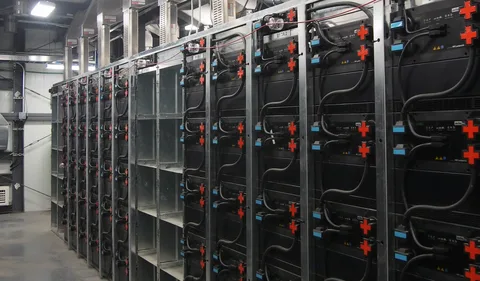
How Battery Storage Is Changing the Way We Use Renewable Energy
Renewable energy has transformed the global electricity landscape over the past few decades. Solar panels now cover rooftops, and solar farms stretch across vast areas of land. Wind turbines generate electricity across plains, mountains, and offshore coastlines. Governments, businesses, and homeowners increasingly view renewable energy as a key solution for
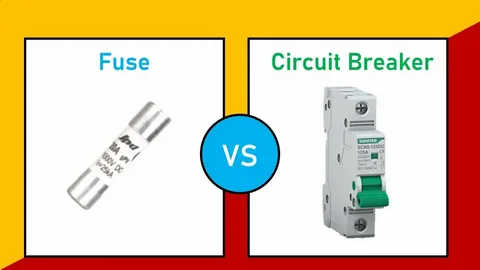
The Difference Between a Circuit Breaker and a Fuse
Electricity powers nearly every aspect of modern life, from lighting and appliances to computers and industrial machinery. While electrical systems are designed to operate safely under normal conditions, problems can occur when circuits become overloaded, equipment malfunctions, or wiring faults develop. Without proper protection, these situations could lead to damaged
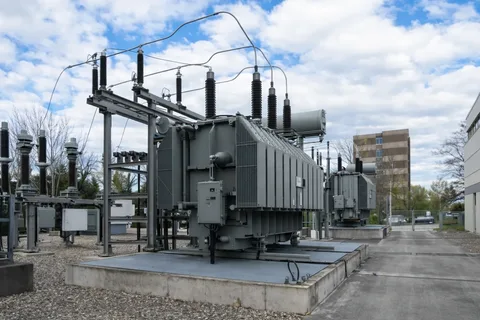
What a Transformer Does and Why Every Neighborhood Needs One
Electricity powers nearly every aspect of modern life. From lighting homes and charging smartphones to operating factories and supporting entire cities, electrical energy moves through vast networks before it reaches the outlets we use every day. Yet most people rarely think about the equipment that makes this process possible. One
About Me
Hello ! I am Richard Y. Lim
Upon migration to Medina, the direction of the Qibla continued to be Jerusalem, although it was then physically impossible for one to also face the Ka’ba, as Medina is north of Makkah.