
What Are Smart Meters and How Do They Work?
Smart meters are advanced digital devices used in modern electrical power systems to measure electricity consumption in real time. Unlike traditional meters that only record total energy usage over a billing cycle, smart meters continuously monitor electricity flow and send data automatically to utility providers.
This transformation in metering technology has allowed electricity networks to become more efficient, data-driven, and responsive. Instead of waiting for manual readings or estimated bills, utilities can now access precise consumption data instantly. This makes energy management more transparent for both providers and consumers.
At their core, smart meters combine sensing technology, digital processors, and communication systems. Together, these components ensure that electricity usage is measured accurately and transmitted securely without human intervention.
Core Components Inside Smart Meters
Smart meters rely on several integrated systems that allow them to function as intelligent devices within the power grid.
- High-precision sensors measure voltage and current continuously
- Microprocessors convert electrical signals into digital data
- Memory modules store historical consumption records
- Communication units transmit data to utility companies
These components work together to ensure that every unit of electricity is tracked with high accuracy. The system is designed to operate even during fluctuations or outages, ensuring no data is lost.
How Smart Meters Process Electricity Data
When electricity flows through a household or industrial connection, sensors inside the meter capture real-time electrical activity. This data is then converted into digital signals and processed internally.
The meter organizes this information into time-stamped intervals, allowing utilities to analyze usage patterns rather than just total consumption. This makes it possible to understand exactly when and how electricity is being used.
What Data Do Smart Meters Actually Track?
Smart meters do far more than simply record electricity usage. They collect detailed information about how electricity is consumed, when it is consumed, and how stable the supply is.
This detailed monitoring allows both consumers and utilities to gain deep insights into energy behavior. Instead of a single monthly figure, users get a complete picture of their electricity usage patterns.
The ability to track energy in real time is what makes smart meters fundamentally different from traditional systems.
Key Electrical Data Recorded in Real Time
Smart meters capture multiple types of electrical data simultaneously.
- Total electricity consumption in kilowatt-hours (kWh)
- Time-based usage patterns (hourly and daily breakdowns)
- Voltage levels and fluctuations in supply
- Peak demand periods and sudden load spikes
This information helps identify high-energy periods and inefficiencies in usage. It also supports better planning for electricity distribution across the grid.
Why Usage Patterns Matter in Energy Monitoring
Understanding when electricity is used is just as important as knowing how much is used. Smart meters provide time-based insights that reveal consumption behavior throughout the day.
This helps utilities manage peak load conditions and helps consumers adjust usage habits for better efficiency.
How Smart Meters Communicate Data to Utilities
Smart meters rely on advanced communication systems to send data to electricity providers. This eliminates the need for manual meter readings and enables real-time monitoring of energy usage.
These communication systems are designed to be reliable, secure, and scalable across large power networks. Whether in cities or rural areas, smart meters ensure continuous data flow to utility control centers.
This communication layer is what transforms smart meters into connected devices within a larger smart grid ecosystem.
Communication Technologies Used in Smart Metering
Smart meters use different types of communication technologies depending on infrastructure and geography.
- RF mesh networks that connect multiple meters in a local area
- Cellular networks that transmit data via mobile signals
- Power Line Communication (PLC) using existing electrical wiring
Each method ensures that data reaches utility systems efficiently, even in areas with weak infrastructure.
Security Systems That Protect Meter Data
Since smart meters transmit sensitive usage data, strong security systems are essential. These systems ensure that data cannot be accessed or altered by unauthorized users.
- End-to-end encryption protects data during transmission
- Authentication systems verify device identity
- Secure firmware updates prevent hacking vulnerabilities
- Tamper detection alerts utilities to physical interference
How Smart Meters Improve Billing Accuracy and Energy Costs
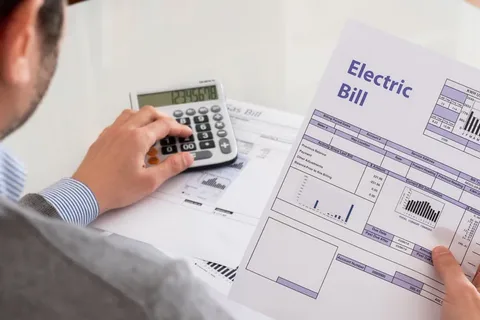
Smart meters have significantly improved the accuracy of electricity billing. Traditional systems often rely on estimated readings, which can lead to billing errors and disputes.
With smart meters, billing is based on actual real-time usage data. This eliminates guesswork and ensures transparency between utilities and consumers.
This shift has made electricity billing more fair, consistent, and efficient.
Eliminating Estimated Billing Issues
One of the biggest advantages of smart meters is the elimination of estimated billing systems. Every unit of electricity is measured precisely and recorded automatically.
- No manual reading errors
- No estimated monthly bills
- Faster and more accurate billing cycles
- Reduced customer disputes
How Smart Meters Help Reduce Electricity Costs
Smart meters give consumers access to detailed usage information. This allows them to identify energy-heavy appliances and adjust usage habits.
Over time, this awareness leads to better energy management and reduced electricity bills.
Role of Smart Meters in Smart Grids and Renewable Energy
Smart meters play a critical role in the development of modern smart grids. These grids use digital communication and automation to manage electricity distribution more efficiently.
By providing real-time data, smart meters help balance electricity supply and demand across the network.
This is especially important as renewable energy sources become more common.
How Smart Grids Use Smart Meter Data
Smart grids depend on accurate and continuous data from smart meters to function effectively.
- Real-time monitoring of electricity demand
- Automated load balancing across regions
- Faster detection of faults and outages
- Improved grid stability and efficiency
Supporting Renewable Energy Integration
Smart meters also help integrate renewable energy sources like solar and wind into the grid. Since these sources are variable, real-time monitoring is essential.
- Tracking distributed solar energy production
- Managing bidirectional energy flow
- Supporting net metering systems
- Balancing supply fluctuation
Privacy and Security Concerns in Smart Meter Systems
Smart meters collect detailed energy usage data, which can sometimes reveal patterns about daily life. This makes data privacy an important concern.
Utility companies use strict policies and technologies to ensure this data is protected and used responsibly.
How Consumer Data Is Protected
Energy consumption data is sensitive, so multiple layers of protection are applied.
- Encrypted data transmission
- Restricted access to user information
- Data anonymization for analytics
- Regulatory compliance standards
Cybersecurity Risks and Safeguards
Like all connected devices, smart meters can face cybersecurity threats. However, modern systems include strong defenses to minimize risks.
- Intrusion detection systems
- Secure communication gateways
- Regular software updates
- Multi-layer authentication
Future of Smart Meter Technology in Power Systems
Smart meters are evolving rapidly as part of the transition toward intelligent energy systems. In the future, they will not only measure electricity but also actively optimize energy distribution.
They will become central components of fully automated energy networks.
Integration with Artificial Intelligence
Future smart meters will use AI to analyze energy consumption patterns and predict demand.
- Predictive energy usage modeling
- Automated demand-response systems
- Real-time pricing adjustments
- Smart home integration
Growth of Consumer Energy Participation
Consumers will increasingly become active participants in energy systems through solar panels and battery storage.
- Peer-to-peer energy trading
- Home-based energy generation
- Grid decentralization
- Increased energy independence
FAQs About Smart Meters
1. What is the main purpose of a smart meter?
A smart meter measures electricity usage in real time and sends data automatically to utility companies for accurate billing and monitoring.
2. How is a smart meter different from a traditional meter?
Traditional meters only record total usage, while smart meters provide real-time, detailed consumption data and remote communication capabilities.
3. Can smart meters help reduce electricity bills?
Yes, by showing real-time usage patterns, smart meters help consumers identify wasteful consumption and optimize energy use.
4. Are smart meters safe and secure?
Yes, they use encryption, authentication, and regulatory protections to ensure data privacy and system security.
5. Do smart meters work during power outages?
Smart meters record outage events and resume data transmission once power is restored, helping utilities respond quickly.
Conclusion
Smart meters represent a major advancement in electrical power systems by transforming how energy is measured and managed. They provide real-time insights that improve billing accuracy, enhance grid efficiency, and support better energy consumption decisions.
As electricity networks continue to evolve, smart meters will play an even more central role in integrating renewable energy sources and enabling intelligent grid systems. Their ability to collect and transmit precise data makes them a cornerstone of modern energy infrastructure.
Ultimately, smart meters are not just measurement devices—they are the foundation of a smarter, more responsive, and more efficient electrical future.
The Energy Shift Is Already Underway—Waiting Has a Cost
The transition to smart metering systems is already reshaping how electricity is produced, distributed, and consumed. Every delay in understanding or adapting to this technology means missing out on improved efficiency and cost control.
Energy systems are becoming more data-driven every day, and smart meters are at the center of this transformation. The decisions made today about energy usage, monitoring, and infrastructure will directly impact long-term sustainability and cost stability.
Understanding this shift now allows consumers, businesses, and utilities to stay ahead of rising demand, evolving pricing systems, and increasingly intelligent power networks.