
Renewable energy has transformed the global electricity landscape over the past few decades. Solar panels now cover rooftops, and solar farms stretch across vast areas of land. Wind turbines generate electricity across plains, mountains, and offshore coastlines. Governments, businesses, and homeowners increasingly view renewable energy as a key solution for reducing carbon emissions and building a more sustainable future. However, despite their many advantages, renewable energy sources have historically faced one major challenge: they do not always generate electricity when people need it most.
The sun does not shine twenty-four hours a day, and wind speeds constantly fluctuate. This variability has long created difficulties for power grids that must balance electricity supply and demand in real time. Battery storage technology is rapidly changing that reality. By capturing excess renewable energy and storing it for later use, batteries are helping transform renewable power from an intermittent resource into a more reliable and flexible energy solution. As battery technology improves and costs continue to decline, energy storage is becoming one of the most important innovations shaping the future of electricity.
Why Renewable Energy Needs Storage
Renewable energy sources generate electricity according to natural conditions rather than consumer demand. Solar panels produce the most power during sunny daylight hours, while wind turbines generate electricity only when sufficient wind is available.
The challenge arises because electricity demand does not always align with renewable generation patterns. People often use the most electricity during morning and evening hours when solar production may be limited. Similarly, a windy night may generate more electricity than consumers need at that moment.
Without storage systems, excess renewable electricity may go unused. Battery storage addresses this challenge by capturing surplus energy and making it available later when demand increases.
Key issues storage helps solve include:
- Variable energy production
- Supply and demand mismatches
- Renewable energy curtailment
- Grid reliability concerns
Storage allows renewable energy to be used when it is needed rather than only when it is generated.
Understanding the Traditional Electricity Model
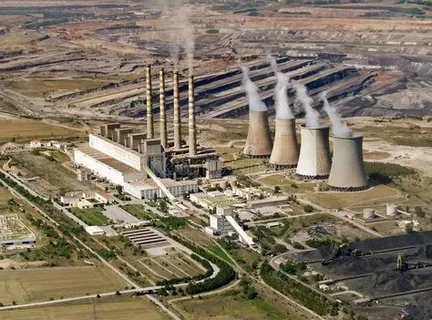
For most of modern history, electricity systems operated on a simple principle: power plants generated electricity at the exact moment consumers needed it.
Because large-scale electricity storage was limited, grid operators continuously adjusted power plant output to match changing demand. This approach worked reasonably well with conventional power plants fueled by coal, natural gas, and nuclear energy because operators could control generation levels directly.
The traditional model relied on:
- Continuous generation adjustments
- Real-time balancing
- Centralized power production
- Limited storage capabilities
Renewable energy introduced new opportunities, but it also challenged this long-standing approach.
What Is Battery Energy Storage?
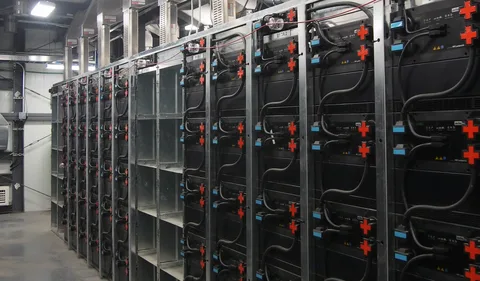
Battery energy storage refers to systems that capture electrical energy and store it chemically for future use. When electricity is needed, the stored energy is converted back into electrical power and delivered to homes, businesses, or the electrical grid.
Although batteries have existed for centuries, modern energy storage systems are far more advanced than the batteries used in flashlights or household electronics.
Battery storage systems typically consist of:
- Battery cells
- Power conversion equipment
- Monitoring systems
- Control software
Together, these components create a flexible energy resource capable of responding rapidly to changing conditions.
How Battery Storage Works
The basic concept behind battery storage is straightforward. When excess electricity is available, batteries charge by storing energy. Later, when demand rises or generation falls, the batteries discharge and release that stored energy.
This process allows electricity generated at one time to be used at another time.
The charging cycle generally involves:
- Excess electricity becomes available.
- Energy flows into the battery.
- Chemical reactions store energy.
- Energy remains available for later use.
During discharge, the process reverses, and electricity is supplied back to the grid or connected equipment.
Why Lithium-Ion Batteries Dominate the Market
Although several battery technologies exist, lithium-ion batteries currently dominate renewable energy storage applications.
The same technology used in smartphones, laptops, and electric vehicles has been adapted for large-scale energy systems because of its favorable characteristics.
Advantages of lithium-ion batteries include:
- High energy density
- Fast response times
- Long operational life
- Relatively high efficiency
These benefits have helped accelerate widespread adoption across the energy sector.
Storing Excess Solar Energy
One of the most valuable applications of battery storage involves solar power. Solar panels often generate their highest output during midday when many households are away from home, and electricity demand may be relatively moderate.
Without storage, excess electricity may be exported to the grid or go unused. Batteries allow that surplus energy to be saved for later consumption.
Benefits include:
- Increased self-consumption
- Reduced grid dependence
- Better utilization of solar generation
- Improved energy flexibility
This capability significantly increases the value of residential and commercial solar installations.
Solving the Evening Energy Challenge
A common challenge for solar energy occurs during evening hours. As the sun sets, solar generation declines rapidly, yet household electricity demand often rises.
People return home from work, cook meals, turn on lights, and use electronic devices. Battery storage helps bridge this gap by supplying electricity generated earlier in the day.
This approach allows:
- Continued renewable energy use after sunset
- Reduced reliance on conventional power plants
- Improved grid stability
Battery systems effectively shift solar energy into evening hours.
Supporting Wind Energy Reliability
Wind energy also benefits significantly from battery storage. Wind generation can fluctuate depending on weather conditions and seasonal patterns.
During periods of strong wind, turbines may generate more electricity than required. Batteries can capture this surplus energy and store it for periods when wind output decreases.
Storage supports wind energy by:
- Smoothing output variations
- Improving predictability
- Reducing energy waste
This flexibility enhances the reliability of wind-powered electricity systems.
Grid-Scale Battery Storage
Some battery projects are massive in scale, capable of storing enough electricity to support entire communities or regions.
Grid-scale battery systems are typically connected directly to the electrical network and provide services that help utilities manage supply and demand more effectively.
These large installations can:
- Store renewable energy
- Stabilize grid operations
- Support peak demand periods
- Improve reliability
As technology advances, utility-scale battery projects continue growing in size and importance.
How Batteries Help During Peak Demand
Electricity demand fluctuates throughout the day. Utilities often experience periods known as peak demand when electricity consumption reaches its highest levels.
Traditionally, utilities relied on specialized power plants to meet these peaks. Battery storage offers an alternative approach by supplying stored energy when demand rises.
Benefits include:
- Reduced strain on the grid
- Lower operating costs
- Better use of renewable energy
This capability helps utilities manage resources more efficiently.
Improving Grid Stability
Maintaining a stable electrical grid requires constant balancing between supply and demand. Even small imbalances can affect system performance.
Battery storage responds extremely quickly to changing conditions, often within seconds or less.
Grid support functions include:
- Frequency regulation
- Voltage support
- Power balancing
- Emergency response
These services improve overall system reliability.
Reducing Renewable Energy Curtailment
Renewable energy curtailment occurs when available renewable electricity cannot be used because supply exceeds demand or transmission limitations exist.
In these situations, wind turbines or solar installations may reduce production even though energy resources are available.
Battery storage helps by:
- Capturing excess generation
- Reducing wasted energy
- Increasing renewable utilization
This improves the overall efficiency of renewable energy systems.
Supporting Energy Independence
Battery storage can also enhance energy independence for households and businesses.
When paired with solar panels, batteries allow property owners to store locally generated electricity and use it later instead of relying entirely on utility power.
Potential benefits include:
- Greater self-sufficiency
- Reduced grid dependence
- Improved energy management
This capability has become increasingly attractive in many regions.
Battery Storage and Backup Power
Power outages can disrupt daily life and business operations. Battery systems can provide backup electricity during grid interruptions.
Unlike traditional generators, batteries can often respond instantly when power is lost.
Backup applications include:
- Residential systems
- Commercial facilities
- Critical infrastructure
- Emergency services
This added resilience is a major advantage of energy storage.
How Businesses Use Battery Storage
Commercial and industrial organizations increasingly invest in battery systems to manage energy costs and improve operational reliability.
Businesses may use storage to:
- Reduce peak electricity charges
- Support renewable energy goals
- Improve resilience
- Manage energy consumption
Battery storage has become an important tool for modern energy management strategies.
Environmental Benefits of Energy Storage
Battery storage contributes to sustainability by enabling greater use of renewable energy resources.
When renewable electricity can be stored and utilized more effectively, reliance on fossil fuel generation may decrease.
Environmental advantages include:
- Reduced emissions
- Better renewable integration
- Lower fuel consumption
- Improved energy efficiency
Storage supports broader clean-energy objectives.
Challenges Facing Battery Storage
Despite rapid progress, battery storage technology still faces several challenges.
These include:
- Initial installation costs
- Raw material requirements
- Recycling considerations
- Long-term degradation
Researchers and manufacturers continue working to address these issues through innovation and improved manufacturing processes.
Emerging Battery Technologies
While lithium-ion batteries dominate today’s market, alternative technologies are under development.
Researchers are exploring solutions designed to improve performance, reduce costs, and increase sustainability.
Promising technologies include:
- Solid-state batteries
- Flow batteries
- Sodium-ion batteries
- Advanced hybrid systems
Future innovations may expand storage capabilities even further.
Battery Storage and the Future Smart Grid
The future electrical grid will likely be more decentralized, digital, and flexible than today’s system.
Battery storage is expected to play a central role in this transformation by helping coordinate renewable generation, consumer demand, and distributed energy resources.
Potential future applications include:
- Smart energy management
- Vehicle-to-grid integration
- Advanced grid automation
- Community energy systems
Storage technology is becoming a cornerstone of next-generation energy infrastructure.
Why Falling Battery Costs Matter
One of the most important trends in energy storage is the continued decline in battery costs.
As manufacturing scales increase and technology improves, battery systems become more accessible for utilities, businesses, and homeowners.
Lower costs encourage:
- Wider adoption
- Greater renewable deployment
- Increased innovation
- Expanded energy access
Affordability is helping accelerate the energy transition.
The Growing Role of Storage in Renewable Energy
Many energy experts now view battery storage as a critical partner to renewable energy rather than an optional addition.
Together, renewable generation and storage create a more reliable and flexible energy system capable of meeting modern electricity demands.
This partnership supports:
- Cleaner electricity production
- Greater reliability
- Improved energy security
- Long-term sustainability
The relationship between renewables and storage continues to strengthen as technology advances.
FAQs
1. What is battery energy storage?
Battery energy storage involves capturing electricity and storing it chemically so it can be used later when needed.
2. Why is battery storage important for renewable energy?
Battery storage helps solve the challenge of variable renewable generation by storing excess energy for later use.
3. Can batteries store solar energy for nighttime use?
Yes. Batteries can store surplus solar electricity generated during the day and supply it after sunset.
4. How do batteries improve grid reliability?
They can respond quickly to changes in supply and demand, helping maintain stable grid operation.
5. What type of batteries are commonly used for energy storage?
Lithium-ion batteries are currently the most widely used technology for renewable energy storage applications.
Conclusion:
Battery storage is fundamentally changing the way renewable energy is generated, managed, and consumed. By solving the long-standing challenge of intermittency, batteries allow electricity from solar panels and wind turbines to be stored when production is high and released when demand increases. This capability improves grid reliability, reduces energy waste, supports cleaner electricity generation, and gives consumers greater control over their energy use. As technology advances and costs continue to decline, battery storage is becoming an essential component of modern energy systems rather than a supplementary technology. Together, renewable energy and battery storage are creating a more flexible, resilient, and sustainable electricity future capable of meeting growing global energy needs.
CTA: Explore the Future of Clean Energy Technologies
Battery storage is only one of many innovations transforming the global energy landscape. From smart grids and electric vehicles to advanced renewable energy systems and next-generation power infrastructure, new technologies are reshaping how electricity is produced and used. Continue exploring the world of clean energy to better understand the solutions driving a more sustainable and reliable energy future.