
Electricity powers nearly every aspect of modern life. From lighting homes and charging smartphones to operating factories and supporting entire cities, electrical energy moves through vast networks before it reaches the outlets we use every day. Yet most people rarely think about the equipment that makes this process possible. One of the most important components in the entire electrical system is the transformer, a device that quietly works behind the scenes to ensure electricity can be delivered safely and efficiently.
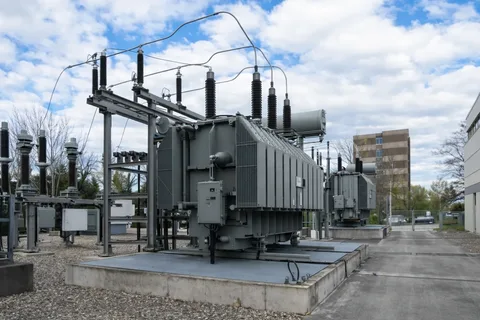
You have probably seen transformers countless times without realizing it. They may appear as gray metal boxes mounted on utility poles, green cabinets sitting near sidewalks, or large pieces of equipment inside electrical substations. Although they come in different sizes and designs, all transformers serve a similar purpose: adjusting voltage levels so electricity can travel long distances efficiently and then be delivered safely to homes and businesses. Without transformers, the modern power grid as we know it simply would not function.
Why Electricity Cannot Travel Efficiently at One Voltage
A common misconception is that electricity generated at a power plant can simply travel directly to homes without modification. In reality, electricity must pass through multiple stages before it becomes usable by consumers.
The reason is that different parts of the electrical system require different voltage levels. Power plants generate electricity, but transmitting that electricity over long distances presents challenges. If electricity traveled across the grid at relatively low voltages, enormous amounts of energy would be lost as heat.
To minimize these losses, utilities rely on higher voltages for transmission. This approach offers several advantages:
- Reduced energy losses
- Improved transmission efficiency
- Lower operating costs
- Greater grid reliability
Transformers make these voltage adjustments possible.
Understanding Voltage in Simple Terms
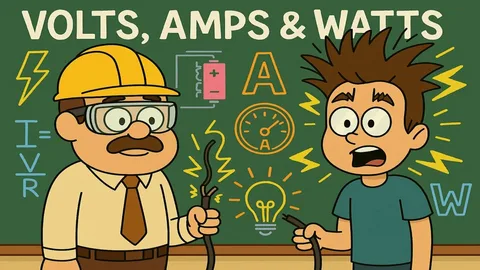
Before exploring transformers further, it helps to understand what voltage actually means. Voltage is often described as the electrical pressure that pushes electric current through a circuit.
An easy analogy is water flowing through a pipe. If current represents the amount of water moving, voltage represents the pressure pushing that water forward.
Different electrical systems require different voltage levels because equipment is designed to operate within specific ranges. For example:
| Application | Typical Voltage Needs |
| Long-distance transmission | Very high voltage |
| Commercial facilities | Medium voltage |
| Residential homes | Lower voltage |
| Electronic devices | Very low voltage |
Transformers help match voltage levels to each application.
What Is an Electrical Transformer?
A transformer is an electrical device that changes voltage from one level to another. It can either increase voltage or decrease voltage, depending on where it is located within the power system.
Unlike many electrical devices, transformers have no major moving parts. Instead, they rely on electromagnetic principles to transfer energy between circuits.
The primary functions of a transformer include:
- Raising voltage levels
- Lowering voltage levels
- Improving energy efficiency
- Supporting safe electricity delivery
These capabilities make transformers essential components of modern electrical infrastructure.
The Basic Principle Behind Transformer Operation
Transformers operate using a phenomenon known as electromagnetic induction. This principle was discovered in the nineteenth century and remains one of the foundations of modern electrical engineering.
When electricity flows through a wire, it creates a magnetic field around that wire. A transformer uses this relationship between electricity and magnetism to transfer energy from one circuit to another.
The process involves:
- Electrical current
- Magnetic fields
- Energy transfer
- Voltage conversion
Although the science can be complex, the underlying concept is surprisingly elegant.
The Main Components of a Transformer
Most transformers contain several key components that work together to perform voltage conversion.
The most important parts include windings and a magnetic core.
| Component | Purpose |
| Primary winding | Receives incoming electricity |
| Secondary winding | Delivers outgoing electricity |
| Core | Transfers magnetic energy |
| Insulation | Enhances safety |
| Protective housing | Shields internal components |
Each component contributes to reliable transformer operation.
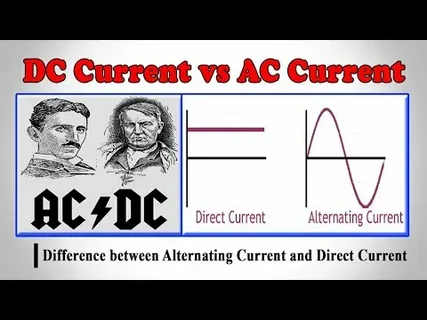
How Electricity Enters a Transformer
The process begins when alternating current enters the primary winding. This winding consists of coils of conductive wire wrapped around the transformer’s core.
As electricity flows through these coils, a changing magnetic field develops around them. This magnetic field becomes the mechanism through which energy is transferred.
At this stage:
- Electricity enters the primary side
- Magnetic fields form
- Energy transfer begins
No direct electrical connection is required between the two windings.
The Role of the Magnetic Core
The magnetic core serves as the bridge between the primary and secondary windings.
Its purpose is to guide magnetic energy efficiently through the transformer. By concentrating magnetic flux within the core, transformers can transfer energy with minimal losses.
Benefits of the core include:
- Improved efficiency
- Reduced energy waste
- Better voltage control
- Enhanced performance
Without the core, transformer operation would be far less effective.
How Voltage Is Changed
The number of wire turns in each winding determines whether the voltage increases or decreases.
If the secondary winding contains more turns than the primary winding, the voltage increases. If the secondary winding contains fewer turns, the voltage decreases.
This relationship allows transformers to perform two critical functions:
- Step-up transformation
- Step-down transformation
Both are necessary for the operation of modern power grids.
What Is a Step-Up Transformer?
A step-up transformer increases voltage.
These transformers are commonly located near power plants because electricity must be raised to very high voltages before entering long-distance transmission networks.
Benefits of higher transmission voltages include:
- Reduced energy losses
- Improved efficiency
- Greater transmission distances
- Better grid performance
Step-up transformers make large-scale power distribution practical.
Why Power Plants Use Step-Up Transformers
Generating stations produce electricity at voltages that are not suitable for long-distance transmission.
Without voltage increases, substantial amounts of energy would be lost before reaching consumers.
Step-up transformers help by:
- Raising the voltage dramatically
- Reducing transmission losses
- Supporting grid efficiency
They are among the first components electricity encounters after generation.
What Is a Step-Down Transformer?
A step-down transformer performs the opposite function. It lowers the voltage to safer and more usable levels.
As electricity approaches communities and neighborhoods, voltage must be reduced before entering homes and businesses.
Advantages include:
- Improved safety
- Equipment compatibility
- Reliable power delivery
Step-down transformers make electricity practical for everyday use.
The Journey of Electricity Through the Grid
Electricity does not travel directly from a power plant to your home. Instead, it passes through multiple voltage levels along the way.
A simplified journey looks like this:
- Electricity is generated.
- Voltage is increased.
- Power travels through transmission lines.
- Voltage is gradually reduced.
- Electricity reaches consumers.
Transformers are involved at multiple stages of this process.
Why High Voltage Is Necessary for Transmission
Long-distance transmission presents unique engineering challenges.
When large amounts of electricity travel through conductors, some energy naturally converts into heat. Higher voltages help reduce these losses significantly.
Benefits of high-voltage transmission include:
- Greater efficiency
- Lower losses
- Reduced operating costs
- Better long-distance performance
This is one reason transmission towers carry such high voltages.
Why Homes Cannot Use Transmission Voltages
The voltages used on transmission lines are far too high for residential use.
If transmission-level electricity entered a home directly, it would damage appliances and create severe safety hazards.
Residential electrical systems require much lower voltages because they are designed for:
- Household appliances
- Electronics
- Lighting systems
- Personal safety
Transformers ensure electricity arrives at appropriate levels.
The Transformer on Your Street
Many neighborhoods contain distribution transformers that provide the final voltage reduction before electricity enters homes.
Depending on the area, these transformers may appear as:
- Pole-mounted units
- Ground-mounted cabinets
- Pad-mounted enclosures
Although often overlooked, they perform one of the most important tasks in the distribution system.
Why Every Neighborhood Needs a Transformer
Every neighborhood requires a transformer because homes cannot safely use the voltage carried by distribution lines.
The local transformer adjusts electricity to levels suitable for residential consumption.
Without neighborhood transformers:
- Appliances would fail
- Electrical systems would be unsafe
- Power distribution would be impractical
They serve as the final link between the grid and consumers.
Pole-Mounted Versus Pad-Mounted Transformers
Utilities use different transformer designs depending on local infrastructure and environmental conditions.
| Type | Common Location |
| Pole-mounted | Overhead distribution systems |
| Pad-mounted | Underground distribution systems |
Both perform the same basic function but differ in physical design.
How Transformers Improve Grid Reliability
Transformers do more than simply adjust voltage. They also contribute to overall grid stability and reliability.
Their benefits include:
- Controlled power distribution
- Voltage regulation
- Efficient energy transfer
- Support for network operations
Reliable transformer performance is critical to uninterrupted electricity service.
Industrial and Commercial Transformers
Businesses and industrial facilities often require different voltage levels than residential customers.
As a result, specialized transformers may serve:
- Manufacturing facilities
- Shopping centers
- Office buildings
- Hospitals
These transformers ensure equipment receives appropriate electrical power.
Safety Features Built Into Modern Transformers
Modern transformers incorporate numerous protective systems designed to enhance reliability and safety.
Common protections include:
- Insulation systems
- Temperature monitoring
- Surge protection
- Protective enclosures
These features help prevent equipment failures and operational issues.
What Happens When a Transformer Fails?
Although transformers are highly reliable, failures occasionally occur.
Potential causes include:
- Severe weather
- Equipment aging
- Lightning strikes
- Overloading
When failures occur, utility crews typically work quickly to restore service and replace damaged equipment.
Why Transformers Hum
Many people notice a low humming sound near transformers.
This sound results from tiny vibrations created by alternating magnetic fields inside the transformer’s core.
The humming is generally:
- Normal
- Expected
- Harmless
It serves as evidence that the transformer is operating.
How Renewable Energy Uses Transformers
Renewable energy systems also rely heavily on transformers.
Solar farms and wind farms often generate electricity at voltages that must be adjusted before connecting to the grid.
Transformers support:
- Solar energy integration
- Wind energy transmission
- Grid compatibility
- Efficient distribution
Renewable energy expansion continues to increase transformer demand.
The Future of Transformer Technology
As electrical systems evolve, transformer technology continues to advance as well.
Emerging developments include:
- Smart transformers
- Improved monitoring systems
- Enhanced efficiency designs
- Greater grid automation
These innovations may improve reliability and support future energy needs.
Why Transformers Are Essential to Modern Life
Transformers rarely receive attention because they operate quietly in the background. Yet nearly every modern activity depends on them.
They make it possible to:
- Transmit electricity efficiently
- Deliver power safely
- Support economic activity
- Enable modern lifestyles
Without transformers, today’s electrical infrastructure would not exist.
FAQs
1. What does a transformer do?
A transformer changes electrical voltage from one level to another, allowing electricity to be transmitted efficiently and used safely.
2. Why are transformers needed in neighborhoods?
Neighborhood transformers reduce voltage from distribution lines to levels suitable for homes and businesses.
3. What is the difference between a step-up and a step-down transformer?
A step-up transformer increases voltage, while a step-down transformer decreases voltage.
4. Why does electricity travel at high voltages?
High voltages reduce energy losses during long-distance transmission and improve overall efficiency.
5. Why do transformers make a humming sound?
The hum comes from small vibrations caused by alternating magnetic fields inside the transformer core.
Conclusion:
Transformers are among the most important yet least noticed components of the modern electrical system. Their ability to increase and decrease voltage allows electricity to travel efficiently across vast distances and arrive safely at homes, businesses, schools, and industries. From the massive step-up transformers located near power plants to the neighborhood transformers mounted on utility poles or installed in ground-level enclosures, each plays a vital role in ensuring reliable power delivery. Without transformers, the electrical grid would suffer enormous energy losses, household appliances would be exposed to dangerous voltages, and modern life would look very different. Understanding how transformers work highlights just how essential these devices are to the safe, efficient, and reliable operation of the power systems we depend on every day.
CTA: Discover More About the Technology Behind Electricity
The electrical grid is filled with fascinating technologies that quietly keep modern society running. Transformers are just one part of a larger system that includes power plants, transmission networks, substations, smart grids, and renewable energy infrastructure. Exploring how these systems work can provide a deeper appreciation for the engineering and innovation that deliver electricity whenever you flip a switch, charge a device, or power your home.