
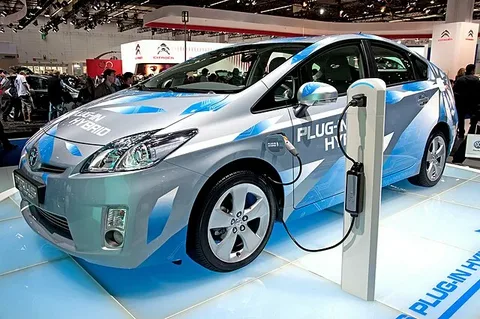
Electric vehicles, commonly known as EVs, are becoming an increasingly familiar sight on roads around the world. As battery technology improves and charging infrastructure expands, more drivers are making the switch from gasoline-powered vehicles to electric alternatives. One of the most common questions new and prospective EV owners have is surprisingly simple: How exactly does charging work?
Unlike traditional vehicles that rely on fuel pumps and gas stations, electric vehicles store energy in large battery packs that must be recharged using electricity. While the concept sounds straightforward, the charging process involves several technologies, charging levels, connectors, and power systems that work together to keep EVs moving. Whether charging at home overnight or using a public charging station during a road trip, understanding how EV charging works can help drivers make informed decisions, reduce range anxiety, and get the most out of their vehicles.
Understanding the Basics of Electric Vehicle Charging
At its core, charging an electric vehicle means transferring electrical energy from a power source into the vehicle’s battery. The battery stores this energy and later uses it to power the electric motor that moves the vehicle.
Although the process may seem similar to charging a smartphone, EV batteries are significantly larger and require more sophisticated charging systems. Modern electric vehicles contain battery packs capable of storing enough energy to power hundreds of miles of driving, making charging technology an essential part of EV ownership.
The basic charging process involves:
- A power source
- Charging equipment
- A charging cable
- The vehicle’s battery system
Together, these components enable safe and efficient energy transfer.
Why EVs Need Large Battery Packs
Unlike gasoline vehicles that store energy in liquid fuel, EVs rely entirely on electricity stored inside rechargeable batteries. These battery packs are designed to provide sufficient energy for daily commuting, long-distance travel, and various driving conditions.
Because transportation requires significant amounts of energy, EV batteries are much larger than batteries found in laptops or mobile phones. Their capacity determines how far a vehicle can travel before needing a recharge.
Battery capacity affects:
- Driving range
- Charging time
- Vehicle performance
- Energy consumption
The larger the battery, the more energy it can store.
What Happens When You Plug In an EV?
When an EV is connected to a charger, communication begins between the vehicle and the charging equipment. The system verifies compatibility, monitors safety conditions, and determines how much power can be delivered.
Once these checks are complete, electricity begins flowing into the battery through carefully controlled charging systems. The vehicle continuously manages the charging process to protect battery health and maintain safe operating conditions.
During charging:
- Safety systems verify connections
- Power levels are regulated
- Battery temperature is monitored
- Charging speed is adjusted as needed
This process happens automatically without requiring driver intervention.
AC Power Versus DC Power
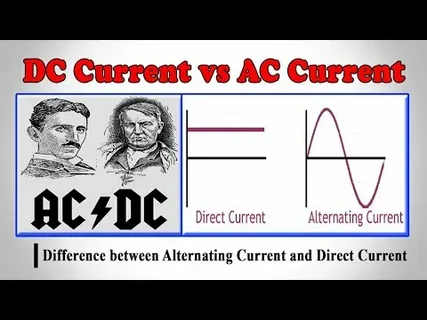
One of the most important concepts in EV charging is understanding the difference between alternating current (AC) and direct current (DC).
Electricity supplied to homes and most buildings is typically AC power. However, EV batteries store energy as DC power. As a result, charging systems must convert electricity into a form that the battery can use.
| Electricity Type | Characteristics |
| AC (Alternating Current) | Supplied by homes and businesses |
| DC (Direct Current) | Stored in EV batteries |
This distinction plays a major role in determining charging speed and equipment requirements.
The Role of the Onboard Charger
Every electric vehicle contains an onboard charger that converts incoming AC electricity into DC electricity for battery storage.
When using many home charging systems, the onboard charger performs this conversion process internally. Its capacity can influence charging speed because it determines how quickly energy can be processed.
The onboard charger is responsible for:
- Converting AC to DC
- Managing charging rates
- Protecting battery systems
It serves as a critical link between external power sources and the battery.
Understanding EV Charging Levels
EV charging is generally divided into different charging levels. These categories describe how much power is delivered and how quickly the vehicle can recharge.
The three most common charging categories are:
| Charging Type | Typical Use |
| Level 1 | Basic home charging |
| Level 2 | Faster home and public charging |
| DC Fast Charging | Rapid public charging |
Each option serves different driving needs and situations.
What Is Level 1 Charging?
Level 1 charging is the simplest form of EV charging. It uses a standard household electrical outlet and typically requires no special installation.
Because it relies on conventional residential power, charging speeds are relatively slow. However, Level 1 charging can still be practical for drivers with modest daily travel requirements.
Benefits include:
- Minimal setup requirements
- Low installation costs
- Convenient overnight charging
Many new EV owners begin with Level 1 charging.
How Level 1 Charging Works at Home
With Level 1 charging, drivers simply connect their vehicle to a standard household outlet using the charging equipment provided by the manufacturer.
The process is straightforward but slower than higher-powered alternatives. Charging may take many hours, depending on battery size and state of charge.
Level 1 charging is often suitable for:
- Daily commuting
- Short-distance drivers
- Occasional vehicle use
Patience is the primary requirement.
What Is Level 2 Charging?
Level 2 charging uses higher-voltage electrical circuits and dedicated charging equipment. It is significantly faster than Level 1 charging and has become the preferred home charging solution for many EV owners.
A Level 2 charger typically requires professional installation.
Advantages include:
- Faster charging times
- Greater convenience
- Better support for larger batteries
Many public charging stations also use Level 2 equipment.
Why Many EV Owners Choose Level 2 Charging
One reason Level 2 charging is popular is its ability to recharge vehicles overnight with ease. Drivers can return home, plug in, and wake up to a fully charged vehicle.
This convenience closely mirrors the experience of refueling, except that the charging happens while the vehicle is parked.
Benefits include:
- Reduced waiting times
- Consistent daily charging
- Greater flexibility
For many households, Level 2 charging becomes part of the daily routine.
Installing a Home Charging Station
Home charging installations vary depending on electrical infrastructure and vehicle requirements.
Before installation, homeowners often evaluate:
- Electrical panel capacity
- Charger location
- Wiring requirements
- Local regulations
Professional installation helps ensure safe operation and compliance with electrical standards.
What Is DC Fast Charging?
DC Fast Charging is designed for rapid energy replenishment during travel. Unlike Level 1 and Level 2 charging, DC fast chargers deliver direct current directly to the battery.
Because the conversion process occurs outside the vehicle, charging speeds can be much higher.
DC fast charging is commonly found:
- Along highways
- At travel centers
- In commercial charging hubs
These stations support long-distance EV travel.
Why DC Fast Charging Is So Much Faster
The primary reason DC fast charging is quicker is that it bypasses the vehicle’s onboard charger.
By supplying DC power directly to the battery, charging systems can deliver substantially higher power levels.
Benefits include:
- Reduced charging times
- Improved travel convenience
- Better support for road trips
This technology has significantly expanded the practicality of EV ownership.
Understanding Charging Curves
Many people assume charging occurs at a constant speed from start to finish. In reality, EV charging rates often change during the process.
Charging typically slows as the battery approaches full capacity.
This occurs because:
- Battery protection systems activate
- Heat management becomes important
- Charging efficiency changes
As a result, the final portion of charging often takes longer than expected.
Why Battery Temperature Matters
Battery performance is strongly influenced by temperature. Extremely hot or cold conditions can affect charging speed and efficiency.
Modern EVs include thermal management systems that help maintain optimal battery temperatures.
These systems support:
- Faster charging
- Better performance
- Improved battery longevity
Temperature control plays a major role in modern EV design.
Public Charging Networks
Public charging infrastructure continues expanding rapidly as EV adoption grows.
Drivers can find chargers in:
- Shopping centers
- Parking garages
- Hotels
- Highway rest stops
- Workplace locations
This growing network makes EV ownership more practical for a wider range of users.
How Drivers Find Charging Stations
Most modern EVs provide integrated navigation systems that display nearby charging locations.
Additional resources often include:
- Mobile applications
- Charging network websites
- Navigation software
These tools help drivers plan routes and locate available chargers.
Understanding Charging Connectors
Charging connectors allow safe electrical communication between vehicles and charging equipment.
Different regions and manufacturers may use different connector standards.
Common connector considerations include:
- Compatibility
- Charging speed support
- Regional standards
Standardization efforts continue to improve interoperability.
How Much Does EV Charging Cost?
Charging costs vary depending on electricity prices, charging location, and charging type.
Home charging is often less expensive than public fast charging because residential electricity rates are generally lower.
Factors influencing costs include:
- Local electricity rates
- Time-of-use pricing
- Charger type
- Energy consumption
Actual expenses vary by location and driving habits.
Why Home Charging Is Often the Most Convenient Option
Many EV owners consider home charging one of the greatest advantages of electric driving.
Instead of visiting fuel stations regularly, drivers can recharge while sleeping.
Benefits include:
- Daily convenience
- Time savings
- Consistent vehicle readiness
For many households, home charging transforms the refueling experience.
Addressing Range Anxiety
Range anxiety refers to concerns about running out of battery power before reaching a charging location.
As charging infrastructure expands and vehicle ranges improve, this concern has become less significant for many drivers.
Strategies for managing range include:
- Route planning
- Monitoring battery levels
- Using navigation tools
- Identifying charging locations in advance
Preparation helps reduce uncertainty.
Battery Health and Charging Habits
Charging practices can influence long-term battery performance.
Manufacturers often recommend balancing convenience with battery care.
Helpful habits may include:
- Avoiding unnecessary extreme charging patterns
- Following manufacturer recommendations
- Using appropriate charging equipment
Good habits support long-term battery health.
The Future of EV Charging
Charging technology continues to evolve rapidly. Researchers and manufacturers are developing new solutions aimed at improving speed, convenience, and accessibility.
Emerging innovations include:
- Faster charging systems
- Wireless charging technology
- Smarter charging networks
- Vehicle-to-grid integration
These advancements could make EV ownership even more appealing.
Why EV Charging Matters for Transportation’s Future
As transportation becomes increasingly electrified, charging infrastructure will play a crucial role in supporting widespread adoption.
Reliable charging systems help:
- Reduce dependence on fossil fuels
- Improve transportation sustainability
- Support cleaner energy goals
Charging technology is becoming as important as the vehicles themselves.
FAQs
1. How does an electric vehicle charge?
An EV charges by transferring electricity from a power source into the vehicle’s battery through specialized charging equipment.
2. What is the difference between Level 1 and Level 2 charging?
Level 1 uses a standard household outlet and charges more slowly, while Level 2 uses dedicated equipment and provides faster charging.
3. Why is DC fast charging faster than home charging?
DC fast chargers deliver direct current directly to the battery, bypassing the vehicle’s onboard charger and allowing higher power delivery.
4. Can I charge an EV at home?
Yes. Most EV owners charge at home using either Level 1 or Level 2 charging equipment.
5. Does charging speed remain constant?
No. Charging often slows as the battery approaches full capacity to protect battery health and maintain efficiency.
Conclusion:
Electric vehicle charging may seem unfamiliar at first, but the process is built on straightforward principles of energy transfer, battery storage, and electrical management. Whether using a standard household outlet, a dedicated Level 2 charger, or a high-speed DC fast charger during a road trip, the goal remains the same: safely delivering electricity to the vehicle’s battery so it can power the electric motor. As charging networks continue expanding and technology advances, EV charging is becoming faster, more convenient, and more accessible for drivers everywhere. Understanding how charging works helps consumers make informed decisions, maximize convenience, and confidently embrace the future of electric transportation.
CTA: Learn More About the Technology Powering Electric Vehicles
Electric vehicles are transforming transportation through advances in batteries, charging systems, energy management, and smart infrastructure. If you want to better understand how EVs work, explore topics such as battery technology, renewable energy integration, charging networks, and the future of sustainable mobility. The more you learn about electric transportation, the easier it becomes to appreciate the innovations shaping the next generation of travel.