
Three-phase power is one of the most important foundations of modern electrical engineering and large-scale energy distribution. It is the system that enables electricity to be transmitted efficiently from power plants to industries, cities, and infrastructure networks with minimal losses and stable performance. Unlike single-phase supply, which delivers energy in pulses, three-phase systems ensure a continuous and balanced flow of electricity.
This continuous energy delivery is what makes three-phase systems essential for heavy industries, manufacturing plants, transportation systems, and commercial buildings. From operating massive motors to running entire production lines, this system supports the backbone of modern industrial activity.
What is Three-Phase Power?
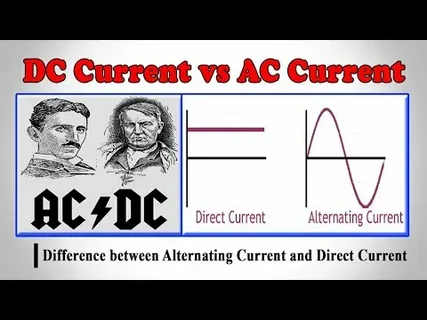
Three-phase power is an alternating current (AC) system that uses three separate voltage waveforms, each separated by 120 degrees. This phase difference ensures that power delivery never drops to zero, resulting in smooth and uninterrupted energy flow.
This structure makes it far more efficient than single-phase systems, especially for high-power applications. It also improves load balancing, reduces vibrations in machines, and increases overall system stability.
- Three AC waveforms operate simultaneously in one system
- Power remains constant due to phase separation
- Widely used in industrial and grid-level electricity systems
Understanding phase balance in real systems
The balance between the three phases ensures that energy is distributed evenly across the system. As one phase decreases in magnitude, the others compensate, preventing dips in power delivery. This balance reduces strain on electrical equipment and improves operational reliability in both generation and consumption systems.
How Three-Phase Power Works
Three-phase power is generated using alternators where coils are placed at equal angles inside a rotating magnetic field. As the rotor spins, each coil produces an alternating voltage at different intervals, creating three synchronized waveforms.
This arrangement ensures a smooth and continuous power output, making it ideal for large-scale electrical systems.
- Generated using rotating magnetic fields in alternators
- Each phase is offset by 120 degrees for continuity
- Provides stable and efficient energy transfer
The importance of rotating magnetic fields
Inside the generator, the rotating magnetic field passes through stationary windings, inducing voltage in a controlled sequence. This mechanism ensures that electricity is generated in a perfectly timed cycle, reducing fluctuations and improving efficiency. It also minimizes mechanical stress on generators, increasing their lifespan.
Star and Delta Connections
Three-phase systems are configured in either star (Y) or delta (Δ) connections depending on the application. These configurations determine how voltage and current behave across the system.
Star connections include a neutral point and are commonly used in transmission systems, while delta connections are used for high-power industrial applications.
- Star connection provides phase and line voltage options
- Delta connection is suitable for heavy load operations
- Both are used based on system requirements
Choosing the right configuration in practice
Star configurations are preferred in long-distance transmission because they require less insulation and improve safety. Delta configurations, however, are ideal for industrial motors because they deliver higher starting torque and better performance under heavy loads. Engineers often combine both systems for optimized performance.
Advantages of Three-Phase Power
Three-phase systems offer significant advantages over single-phase systems in terms of efficiency, cost, and performance. They deliver continuous power, which improves the operation of electrical machines and reduces energy loss.
They are also more economical because they transmit more power using less conductor material.
- Continuous and stable power delivery
- Higher efficiency in transmission and usage
- Reduced material and operational costs
Why efficiency is higher in real-world systems
Because power is evenly distributed across three phases, the load on each conductor is reduced. This leads to lower losses and improved performance in both transmission lines and electrical devices. Motors also run more smoothly, reducing wear and maintenance requirements.
Generation and Transmission of Three-Phase Power
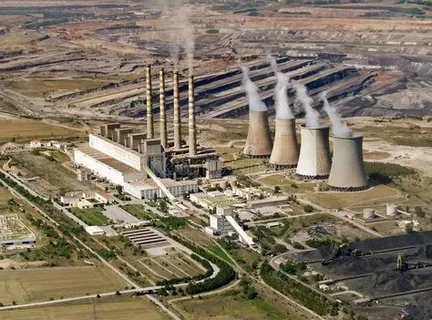
Three-phase electricity is generated in power plants using large turbine-driven alternators. These systems convert mechanical energy into electrical energy through electromagnetic induction.
After generation, electricity is transmitted at high voltages to reduce losses and then stepped down for safe use in homes and industries.
- Generated using turbine-driven alternators
- Transmitted at high voltage for efficiency
- Distributed through substations and transformers
Why are high-voltage systems necessary
High-voltage transmission reduces current for the same power level, which significantly reduces energy loss due to resistance in conductors. This makes long-distance electricity transmission economically viable and ensures that power reaches consumers efficiently.
Applications in Industry and Daily Life
Three-phase power is widely used in industrial and commercial environments where high energy demand is required. It supports heavy machinery, building systems, and infrastructure networks.
Even though most homes use single-phase electricity, they depend on three-phase systems at the grid level.
- Powers industrial motors and manufacturing equipment
- Used in large HVAC and building systems
- Supports railways and transportation networks
Real-world dependence on three-phase systems
Modern infrastructure, such as factories, hospitals, and data centers, relies heavily on three-phase systems for uninterrupted operations. Even automated production lines and elevators depend on their stable power delivery. Without it, large-scale industrial growth would not be possible.
Safety, Maintenance, and Reliability
Due to high power levels, three-phase systems require strict safety measures and regular maintenance. Proper system design ensures protection from faults and overloads.
Maintenance is essential for preventing breakdowns and ensuring continuous operation.
- Proper grounding and insulation are essential
- Protective devices prevent overload and faults
- Regular inspections improve system reliability
Preventing downtime in critical systems
Preventive maintenance ensures that small issues are detected before they turn into major failures. Monitoring load balance and inspecting connections regularly helps maintain system stability, especially in critical environments like hospitals and industrial plants.
FAQs
What is the main advantage of three-phase power?
It provides continuous and stable power delivery, making it more efficient than single-phase systems.
Why is three-phase power used in industries?
It supports heavy machinery, delivers higher efficiency, and ensures smooth operation of large electrical loads.
What is the difference between star and delta connections?
Star has a neutral point and is used for transmission, while delta is used for high-power industrial applications.
Can residential homes use three-phase power?
Yes, but it is mainly used in large buildings or homes with high electricity demand.
Why does three-phase power reduce losses?
Because power is distributed evenly across three phases, reducing current in each conductor lowers energy loss.
Conclusion
Three-phase power remains the backbone of modern electrical systems, supporting everything from power generation to industrial automation. Its ability to deliver continuous and balanced energy makes it far more efficient than traditional single-phase systems. This efficiency is what enables large-scale industries and infrastructure to function reliably every day.
As electricity demand continues to rise globally, three-phase systems will remain essential for ensuring stable and efficient power distribution. Their role in supporting industrial growth, transportation systems, and modern technology cannot be replaced easily, making them a cornerstone of electrical engineering.
Understanding this system provides a deeper insight into how modern civilization operates on an electrical level. It also highlights why engineers continue to rely on it as the standard for high-capacity power networks.
Powering the Next Era of Electrical Infrastructure Demands Action Today
The global electricity demand is increasing at a rapid pace, driven by industrial expansion, digital transformation, and urban development. In this environment, understanding how three-phase systems work is no longer optional for professionals in the electrical field—it is becoming essential knowledge for designing and maintaining efficient power networks.
Those who develop a strong grasp of these systems will be better equipped to handle future challenges in energy distribution, smart grids, and renewable integration. The transition toward more advanced and efficient infrastructure depends heavily on the foundational principles of three-phase power.
As industries evolve, the need for stable, efficient, and scalable power systems will only grow stronger. Staying ahead in this field means continuously building expertise in the technologies that drive modern electrical networks, ensuring readiness for the next generation of power systems.