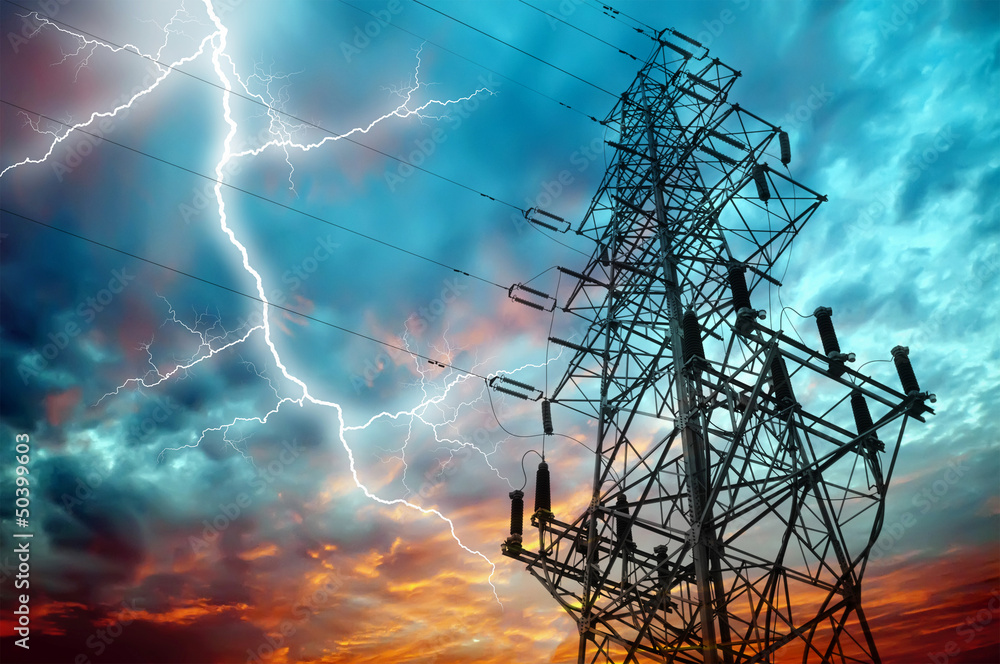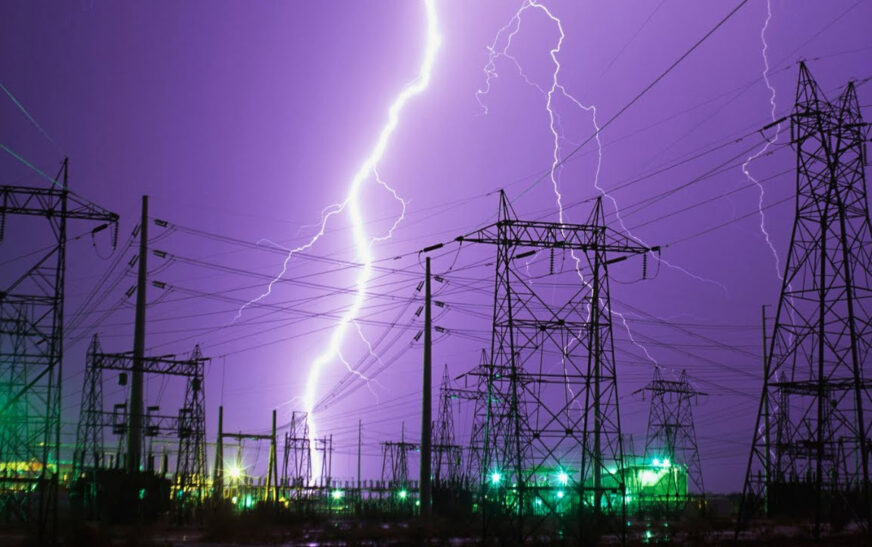

Electricity has become the invisible force behind modern life, shaping everything from communication systems to transportation networks and industrial growth. As global demand for electrical power continues to rise, the way it is generated has taken center stage in environmental discussions. Each generation method contributes differently to resource use, emissions, and ecological balance, making the energy conversation more complex than ever.
Understanding these differences is essential for building a future energy system that is both reliable and environmentally responsible. While some technologies offer cleaner operation, others provide unmatched stability or efficiency. The challenge lies in balancing these strengths while minimizing long-term environmental disruption.
Renewable Energy Sources and Environmental Impact
Renewable energy technologies such as solar, wind, and biomass are widely recognized for their ability to reduce greenhouse gas emissions during electricity generation. However, their environmental footprint extends beyond just operation and into manufacturing, land use, and end-of-life disposal.
Although these systems are cleaner compared to traditional power plants, their deployment still influences ecosystems and resource consumption patterns in meaningful ways.
- Solar farms require large land areas and energy-intensive silicon processing
- Wind farms can create noise and visual impact while affecting bird and bat populations
- Biomass systems depend on organic materials that may strain land and water resources
Lifecycle Reality of Renewable Systems
The environmental impact of renewable energy is best understood through a lifecycle lens. Manufacturing solar panels involves mining raw materials like silicon, silver, and aluminum, all of which require energy and can disturb natural landscapes. Wind turbines rely on steel, fiberglass, and rare earth elements, each linked to extraction impacts.
Once installed, emissions drop significantly, making renewables one of the cleanest operational options. However, end-of-life disposal and recycling systems are still developing, meaning long-term sustainability depends heavily on better circular economy practices and responsible sourcing.
Fossil Fuels: Coal, Oil, and Natural Gas
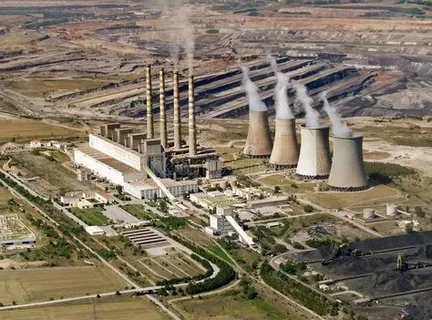
Fossil fuels continue to dominate global electricity generation due to their reliability and established infrastructure. Despite their convenience, they remain the largest contributors to environmental degradation in the energy sector.
Coal, oil, and natural gas all release greenhouse gases when burned, contributing directly to climate change and air pollution.
- Coal produces the highest carbon emissions and toxic particulates
- Oil combustion contributes to urban smog and respiratory issues
- Natural gas burns cleaner, but still releases significant carbon dioxide
Environmental Costs Beyond Power Generation
The environmental damage from fossil fuels begins long before combustion. Mining operations, drilling sites, and transport networks disturb ecosystems, pollute water sources, and reshape landscapes permanently. Methane leaks from natural gas systems further increase their climate impact.
Even with modern emission controls, fossil fuels remain deeply linked to air quality issues and long-term environmental stress, making their continued dominance increasingly difficult to justify in sustainability-focused systems.
Nuclear Power and Waste Considerations
Nuclear energy produces large amounts of electricity with extremely low direct emissions, making it a powerful low-carbon option. However, its environmental concerns are concentrated in waste management and safety considerations.
While modern reactors are highly engineered for safety, the radioactive byproducts require long-term containment strategies.
- Extremely high energy output with minimal air pollution
- Radioactive waste requires isolation for thousands of years
- Strict safety protocols are necessary to prevent rare but severe accidents
The Complexity of Radioactive Waste Storage
Spent nuclear fuel remains hazardous for extremely long periods, requiring secure geological storage facilities designed to prevent leakage into ecosystems. The long planning horizon, political challenges, and public concerns often delay implementation of such storage solutions.
Although nuclear incidents are rare, their environmental consequences can be extremely severe when they occur. This dual nature makes nuclear energy both highly efficient and highly regulated, requiring continuous monitoring and advanced engineering safeguards.
Hydropower and Ecosystem Disruption
Hydropower is one of the oldest renewable energy sources, using flowing water to generate electricity through dams and turbines. While it produces very low operational emissions, it significantly alters natural water systems.
Large dam projects reshape ecosystems by changing water flow, sediment transport, and habitat structure.
- Disrupts fish migration and aquatic biodiversity
- Floods large areas, impacting wildlife and vegetation
- Alters sediment flow, affecting downstream soil fertility
Transformation of River Ecosystems and Communities
Hydropower projects often require large-scale reservoir creation, which can lead to the relocation of communities and permanent changes in land use. These projects also affect river temperature and oxygen levels, influencing aquatic life cycles.
Although modern designs include fish passages and controlled water release systems, restoring a river ecosystem after dam construction remains extremely difficult, making hydropower a powerful yet environmentally transformative energy source.
Wind and Solar Power Trade-Offs
Wind and solar energy are key drivers of the global shift toward cleaner electricity systems. They generate power without combustion, making them essential in reducing emissions. However, their environmental impact exists primarily in manufacturing and infrastructure development.
These systems depend on material extraction and large-scale deployment, which introduces environmental considerations beyond operation.
- Require mining of rare earth materials and metals
- Intermittent output depends on the weather and daylight conditions
- Large installations can affect landscapes and ecosystems
Energy Storage and Grid Stability Challenges
Because wind and solar energy are variable, they require backup systems such as batteries or hybrid energy networks to ensure a stable electricity supply. This introduces additional environmental considerations, especially related to battery production and recycling.
Lithium, cobalt, and nickel extraction can have environmental and social impacts. Despite these challenges, advancements in energy storage and smart grids are improving the reliability of renewable energy integration into modern power systems.
Emerging Technologies and Hybrid Systems
The future of electricity generation is increasingly shaped by systems that combine multiple energy sources to improve reliability and reduce environmental impact. Rather than relying on one dominant method, energy systems are becoming more integrated and adaptive.
Technologies like hydrogen production, carbon management, and advanced grid systems are redefining energy efficiency.
- Carbon capture reduces emissions from existing fossil-based systems
- Green hydrogen enables clean fuel applications across industries
- Smart grids optimize electricity distribution and reduce waste
Integrated Energy Networks for Stability
Hybrid energy systems combine renewable sources with storage and backup generation to ensure a consistent electricity supply. Solar and wind paired with batteries improve stability, while nuclear and renewables together provide both reliability and low emissions.
This integration reduces dependence on any single energy source and improves resilience against demand fluctuations and supply disruptions, marking a shift toward more flexible energy ecosystems.
FAQs
Which energy source is considered the cleanest overall
Wind and solar are generally considered the cleanest during operation because they produce no direct emissions. However, their full environmental footprint includes manufacturing and disposal stages.
Why do fossil fuels still dominate global electricity production
Fossil fuels remain widely used due to their reliability, low cost, and existing infrastructure. Many countries still depend on them for stable baseload power.
Is nuclear energy a safe option for the environment
Nuclear energy is low in emissions but requires strict safety systems and long-term waste management to ensure environmental protection over time.
Do renewable energy systems impact ecosystems?
Yes, renewable systems can affect ecosystems through land use, material extraction, and wildlife disruption, although these impacts are generally lower than those of fossil fuels.
What is the biggest challenge in modern energy systems
The biggest challenge is balancing energy reliability, affordability, and environmental sustainability while transitioning to cleaner power sources.
Conclusion
The environmental trade-offs between different power generation methods highlight that no single technology can fully meet all energy demands without compromise. Each method contributes differently to emissions, land use, resource consumption, and ecosystem impact. Understanding these differences is essential for designing balanced and sustainable energy systems.
Fossil fuels continue to provide reliability but carry high environmental costs. Renewable energy sources offer cleaner operation but require careful management of materials, land, and storage systems. Nuclear power provides low-carbon electricity but introduces long-term waste responsibilities. Hydropower, wind, and solar each play important roles in reducing emissions while reshaping environmental landscapes in different ways.
A sustainable energy future depends on combining multiple technologies rather than relying on one solution. By integrating diverse energy systems, improving efficiency, and investing in innovation, it becomes possible to reduce environmental impact while meeting growing global electricity demand.
Energy Decisions That Cannot Be Delayed Any Longer
The direction of global energy development is being decided right now, and the consequences will shape environmental conditions for generations. As electricity demand continues to rise, so does the pressure on ecosystems, water resources, and atmospheric stability. Delaying improvements in energy systems increases the risk of long-term environmental strain.
Governments, industries, and individuals all have a role in accelerating the transition toward cleaner and more efficient energy systems. Investment in modern infrastructure, cleaner technologies, and smarter grid systems is no longer optional for sustainable development.
The shift toward responsible energy production requires continuous action, innovation, and commitment, because the balance between energy needs and environmental protection is becoming more critical with every passing year.