

Understanding how electricity flows through every corner of your home gives you far more control than simply reading a monthly bill. When you break down energy usage by room, you begin to see patterns that are otherwise hidden in total household consumption. This approach makes electricity usage measurable, predictable, and easier to optimize.
Each room in a house serves a different purpose, which means energy demand is never uniform. A kitchen behaves differently from a bedroom, and a living room has its own unique consumption profile. Once you recognize these differences, managing electricity becomes less about guesswork and more about structured analysis.
Understanding How Household Electricity Actually Works
Electricity in a home flows through a central meter and is distributed into multiple circuits that power different rooms and appliances. Every device connected to these circuits draws energy simultaneously, which adds up to the total consumption recorded on your bill.
This system means that even small appliances collectively contribute to significant usage over time. Understanding this structure is the foundation for breaking down the usage room by room.
- Electricity is distributed through circuits connected to each room
- Every appliance contributes to the total load simultaneously
- Energy is measured in kilowatt-hours (kWh) over time
Why Energy Distribution Is Never Even Across Rooms
Different rooms consume different levels of power depending on usage patterns. A kitchen typically has high-demand appliances like refrigerators, microwaves, and kettles, while bedrooms mostly rely on lighting and fans.
Beyond appliance differences, lifestyle habits also play a major role. Time spent in each room, seasonal conditions, and personal routines all influence energy distribution in a household.
Why Breaking Down Energy Use Room by Room Matters
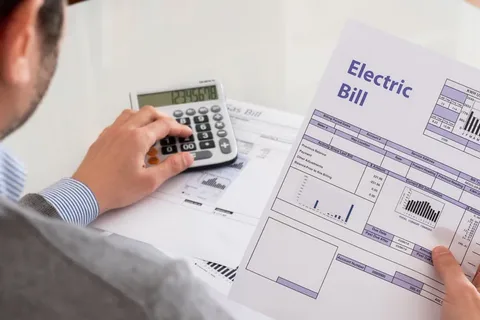
Looking at a single electricity bill hides the real story of energy usage. A room-by-room breakdown reveals exactly where electricity is being consumed the most and where inefficiencies exist.
This method helps homeowners make smarter decisions about energy use, appliance upgrades, and behavioral changes that directly affect monthly bills.
- Identifies high-energy-consuming rooms clearly
- Helps reduce unnecessary electricity wastage
- Supports better financial and energy planning
How Room-Level Insights Improve Energy Awareness
When people start seeing which rooms consume the most electricity, they naturally become more conscious of their habits. For instance, noticing heavy usage in the living room may encourage better control of entertainment devices or lighting.
Over time, this awareness leads to better energy discipline, where small changes become long-term habits that reduce unnecessary consumption.
Essential Tools for Measuring Energy Consumption
To accurately calculate electricity usage, a few tools are required that help convert assumptions into measurable data. These tools make it easier to track energy usage at the appliance and room level.
Modern solutions also include smart monitoring systems that provide real-time insights into electricity consumption patterns.
- Smart plugs for monitoring individual devices
- Energy meters for circuit-level tracking
- Monthly electricity bills for cross-checking usage
How Smart Monitoring Devices Improve Accuracy
Smart energy devices help track real-time electricity usage of appliances. This eliminates guesswork and provides precise data that can be analyzed for better energy control.
They are especially useful for detecting hidden energy consumption from devices that remain on standby or operate silently in the background.
Step-by-Step Method for Room-Based Energy Calculation
Calculating energy usage per room involves listing all electrical appliances, recording their wattage, and estimating daily usage hours. These values are then converted into kilowatt-hours for accurate measurement.
This structured process allows consistent comparisons between different rooms and helps identify energy-intensive areas of the home.
- List all appliances in each room
- Record wattage and daily usage duration
- Convert results into kWh using a standard formula
Breaking Down the Energy Formula in Simple Terms
The formula used is:
Energy (kWh) = Wattage × Hours Used ÷ 1000
This simple calculation helps standardize energy usage across all devices. For example, a 1000-watt appliance running for 2 hours consumes 2 kWh of electricity.
Applying this method across all rooms gives a clear picture of total and individual room consumption.
High-Consumption Appliances That Shape Your Electricity Bill
Certain appliances dominate household electricity usage due to their high power requirements or long operating hours. Identifying these helps prioritize energy-saving actions effectively.
These devices often account for the majority of monthly electricity costs in most households.
- Air conditioners and heaters consume high power
- Refrigerators run continuously throughout the day
- Entertainment systems contribute steady usage loads
The Hidden Impact of Background Electricity Use
Many devices consume electricity even when they are switched off but still plugged in. These include chargers, routers, and standby electronics.
While each device may consume only a small amount, the combined impact over time can significantly increase total energy usage.
Practical Ways to Reduce Energy Usage in Each Room
Once you understand where electricity is being used, optimizing consumption becomes much easier. Small adjustments in each room can lead to noticeable reductions in overall electricity bills.
Energy efficiency is achieved not by restriction, but by smarter usage habits and better control.
- Replace old bulbs with energy-efficient lighting
- Switch off appliances when not in use
- Use timers and automation for better control
How Small Behavioral Changes Create Big Savings
Simple actions like turning off unused lights or reducing unnecessary appliance usage can create meaningful savings over time.
These small habits, when applied consistently, reduce energy waste and improve overall household efficiency without affecting comfort.
Building a Long-Term Energy Tracking System
Energy monitoring should be a continuous process rather than a one-time calculation. Regular tracking helps identify trends, seasonal changes, and new inefficiencies.
This approach allows homeowners to stay in control of their electricity usage and make informed adjustments whenever needed.
- Track monthly electricity usage per room
- Compare seasonal consumption changes
- Update records for better accuracy over time
Turning Data into Actionable Energy Decisions
Consistent tracking helps transform raw data into practical decisions. For example, a sudden increase in one room’s usage may indicate an inefficient appliance or changed usage habits.
Over time, this system helps shift energy management from guesswork to informed decision-making.
FAQs
1. How do I calculate electricity usage per room?
List all appliances in a room, multiply wattage by usage hours, and divide by 1000 to get kWh.
2. What tools are best for tracking home energy use?
Smart plugs and energy meters are the most accurate tools for tracking real-time electricity consumption.
3. Which rooms consume the most electricity in a home?
Typically, kitchens and living rooms use more electricity due to multiple appliances and longer usage hours.
4. Do standby appliances really affect electricity bills?
Yes, standby devices still draw small amounts of power, which adds up over time.
5. Can I lower my electricity bill without buying new appliances?
Yes, improving usage habits and turning off unused devices can significantly reduce consumption.
Conclusion
Understanding energy consumption at a room-by-room level provides clarity that a simple electricity bill cannot offer. It helps break down complex usage patterns into manageable insights, making it easier to identify inefficiencies and improve overall energy control.
By consistently tracking and analyzing consumption, homeowners can build a more structured approach to electricity usage. This not only helps reduce unnecessary waste but also improves long-term planning for energy efficiency and cost management.
Small changes, when applied across different rooms, accumulate into meaningful improvements over time. This makes energy awareness a practical and ongoing part of household management rather than a one-time effort.
When Energy Control Can No Longer Be Ignored
Electricity usage is becoming more critical as energy costs continue to change and household demand increases. Ignoring how power is consumed in different rooms often leads to rising bills without a clear understanding of the cause.
Taking control early allows you to prevent unnecessary expenses and build better energy habits. The sooner you start monitoring usage, the easier it becomes to maintain control over long-term electricity costs and household efficiency.