
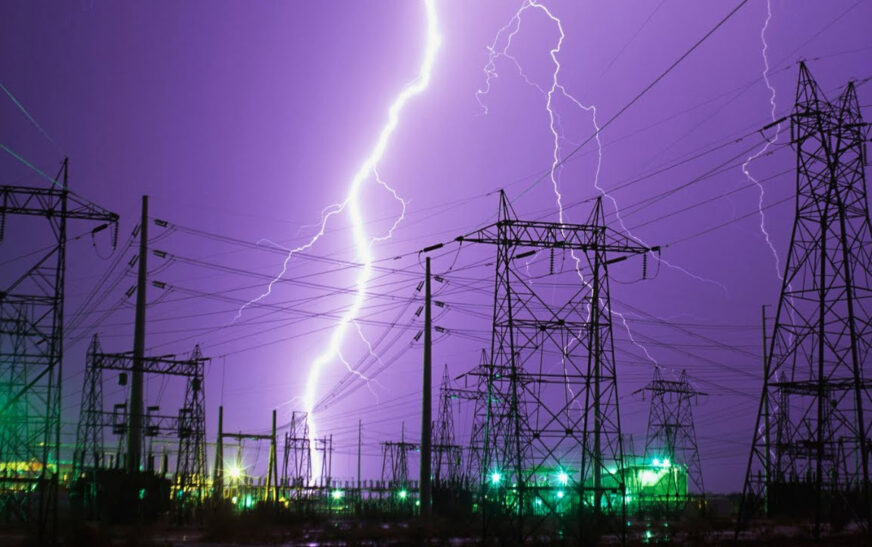
Electricity does not travel directly from power stations to homes in a simple straight path. Instead, it moves through a carefully designed network of systems that control, transform, and distribute it safely. One of the most important parts of this network is the power substation, a facility where electrical energy is managed before it reaches end users.
Inside a substation, everything is highly organized and engineered for precision. Massive transformers adjust voltage levels, switchgear controls the flow of electricity, and protection systems constantly monitor for faults. Although it may seem quiet from the outside, inside it is a continuously active environment where electricity is carefully controlled every second.
Role of a Power Substation in the Electrical Grid
A power substation acts as a key connection point between electricity generation and distribution. It ensures that power produced at generating stations is transmitted efficiently over long distances and then delivered safely to consumers.
Beyond just transferring electricity, substations help maintain balance in the grid by adjusting voltage levels and managing load variations. They are essential for keeping the entire system stable and reliable.
- Connects generation stations with distribution networks
- Regulates voltage for safe and efficient transmission
- Maintains balance in electricity supply and demand
Why Substations Are Critical for Grid Stability
Substations play a major role in preventing instability in the power system. When demand suddenly increases or decreases, they help adjust the flow of electricity to keep the grid steady.
They also isolate problem areas during faults, preventing issues from spreading across the network and causing larger outages.
Voltage Transformation and Power Regulation
Electricity generated at power plants is not suitable for direct use without modification. It must be converted to different voltage levels depending on whether it is being transmitted across long distances or distributed locally.
Substations perform this transformation using large power transformers that adjust voltage levels efficiently and safely.
- Increase the voltage for long-distance transmission
- Decrease the voltage for local distribution
- Improve overall energy efficiency in the system
How Voltage Conversion Works in Practice
Voltage conversion is based on electromagnetic induction, where energy is transferred between coils through magnetic fields. This allows electricity to change voltage levels without a direct electrical connection.
Transformers are designed to handle continuous heavy loads while maintaining stability, efficiency, and safety under varying conditions.
Switchgear Systems and Power Control
Switchgear is responsible for controlling and protecting electrical circuits inside a substation. It ensures that electricity flows only where it is needed and is immediately stopped when faults occur.
This system is essential for both operational safety and maintenance of the electrical network.
- Controls the switching of electrical circuits
- Protects equipment from overloads and faults
- Allows safe maintenance of power systems
How Modern Control Systems Improve Performance
Modern switchgear is equipped with automation and digital monitoring systems. These systems allow real-time observation and faster response to electrical changes.
Sensors continuously track electrical conditions and help detect issues instantly, improving reliability and reducing downtime.
Transformers and Energy Management
Transformers are one of the most important components in a substation. They regulate voltage levels and ensure that electricity can move efficiently through the grid.
Multiple transformers may operate together in large substations to handle varying electricity demand.
- Maintain stable voltage across the system
- Reduce energy losses during transmission
- Support fluctuating load requirements
Cooling and Operational Safety of Transformers
Transformers produce heat during operation, making cooling systems essential. Without proper temperature control, performance and safety can be affected.
Cooling methods include oil-based systems and air cooling, depending on the size and capacity of the transformer.
Fault Detection and Protection Mechanisms
Electrical faults can occur due to system overloads, equipment failure, or environmental factors. Substations are designed to detect and isolate these faults immediately.
Protection systems ensure that faults do not spread and damage other parts of the electrical network.
- Detect abnormal electrical conditions
- Isolate faulty sections automatically
- Prevent damage to infrastructure and equipment
Common Fault Conditions in Power Systems
Different types of faults require different responses from protection systems. Substations are designed to handle each situation quickly and effectively.
Short circuits, overloads, and grounding issues are among the most common electrical faults managed inside substations.
Busbars and Power Distribution
Busbars are conductive metal components that distribute electricity within a substation. They serve as central connection points for multiple circuits.
Their design allows large amounts of current to flow efficiently while maintaining system reliability.
- Distribute electricity across circuits
- Simplify internal electrical connections
- Improve system efficiency and reliability
Structural Design for Reliable Operation
Different busbar layouts are used depending on system requirements. Some focus on simplicity, while others are designed for redundancy and continuous operation.
These configurations ensure that power delivery continues even during maintenance or partial system failures.
Monitoring Systems and Smart Grid Technology
Modern substations use advanced digital monitoring systems to ensure accurate control and efficient operation. SCADA systems allow remote monitoring and management of equipment in real time.
This has transformed substations into intelligent nodes within the power network.
- Real-time system monitoring
- Remote operation and control
- Predictive maintenance through data analysis
Evolution Toward Intelligent Power Networks
Substations are increasingly becoming smart systems that integrate automation, sensors, and analytics. This improves reliability and reduces downtime significantly.
These advancements also support modern energy systems, including renewable integration and dynamic load management.
Frequently Asked Questions
What happens inside a power substation?
Inside a substation, electricity is transformed, controlled, and distributed using transformers, switchgear, and protection systems.
Why are substations important in electricity networks?
They regulate voltage, manage power flow, and ensure safe and stable electricity distribution.
What equipment is used in substations?
Substations contain transformers, circuit breakers, switchgear, busbars, and monitoring systems.
How do substations handle faults?
They use protection systems that detect faults instantly and isolate affected areas automatically.
Are modern substations automated?
Yes, most modern substations use digital monitoring and SCADA systems for automation and remote control.
Conclusion
Power substations are essential to the modern electrical grid because they ensure electricity is delivered safely, efficiently, and reliably. Every component inside them works together to control voltage, manage load, and protect the system from faults.
As electricity demand continues to grow, substations are evolving into more advanced and intelligent systems. With automation, digital monitoring, and predictive control, they are becoming more efficient and resilient than ever before.
Without substations, the electrical system we depend on every day would not function with the same level of stability and safety.
Electricity Demand Is Rising Faster Than Ever Before
The world is experiencing rapid growth in electricity consumption due to expanding cities, industrial development, and increasing digital infrastructure. This places greater pressure on electrical networks and makes substations more important than ever.
To meet these demands, power systems must continue to evolve with smarter technologies, better protection systems, and improved efficiency. Substations will remain at the center of this transformation, ensuring that electricity continues to flow reliably into the future.