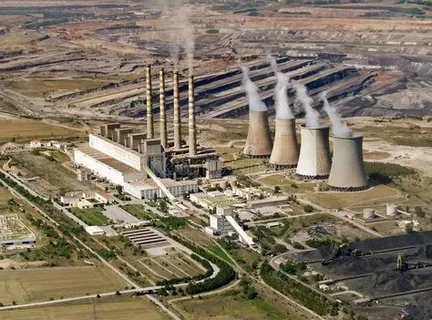

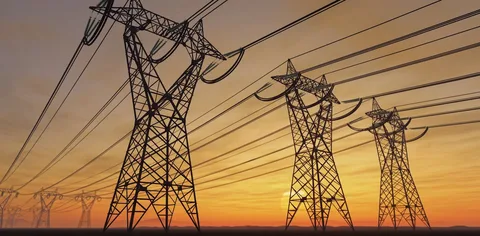
Microgrids are reshaping modern electrical systems by introducing a decentralized approach to power generation and distribution. Instead of relying entirely on large, centralized grids, communities can now generate and manage electricity locally. This shift is not just a technological upgrade—it represents a structural transformation in how energy systems operate and respond to disruptions.
As energy demand continues to rise and climate-related disruptions become more frequent, the importance of resilient infrastructure has grown significantly. Microgrids offer a practical solution by combining local generation, storage, and intelligent control systems. They help ensure that electricity remains available even when the main grid is under stress, making them a critical part of future energy planning.
What Are Microgrids and How They Function in Modern Energy Systems
Microgrids are self-contained energy networks capable of producing, storing, and distributing electricity within a defined geographic area. They can operate independently or remain connected to the main grid, switching modes depending on conditions and demand.
These systems integrate multiple energy sources and advanced automation tools to maintain stability and efficiency. Their ability to function autonomously makes them especially valuable in remote areas and critical infrastructure zones.
- Combine renewable and conventional energy sources
- Operate in both grid-connected and islanded modes
- Use automated control systems for real-time management
- Reduce transmission losses through localized distribution
Intelligent Control Systems Driving Microgrid Efficiency
At the heart of every microgrid is an advanced control system that continuously monitors energy generation and consumption. This system ensures that supply and demand remain balanced at all times, preventing overloads and maintaining stable voltage levels.
Modern control technologies also use predictive analytics to anticipate energy needs. This allows microgrids to adjust output dynamically, ensuring optimal performance even during sudden demand spikes or generation drops.
Role of Microgrids in Strengthening Energy Resilience
Energy resilience refers to the ability of a system to maintain and quickly restore power during disruptions. Microgrids enhance this capability by isolating themselves from failures in the main grid and continuing to supply electricity locally.
This is particularly important for essential services such as hospitals, communication centers, and emergency response units that cannot afford power interruptions.
- Maintain power during large-scale grid failures
- Support critical infrastructure during emergencies
- Enable faster recovery after natural disasters
- Reduce dependency on centralized transmission networks
Localized Independence During Grid Disruptions
One of the most powerful features of microgrids is their ability to “island” themselves during outages. This means they automatically disconnect from the main grid and continue operating independently. This localized independence ensures that even if the broader system fails, essential services remain uninterrupted.
Key Components That Make Microgrids Work Efficiently
Microgrids are built from several interconnected components that work together to ensure reliable energy production and distribution. Each component plays a specific role in maintaining system balance and efficiency.
These systems are designed to be flexible, allowing integration of both traditional and renewable energy technologies.
- Solar panels, wind turbines, and backup generators
- Battery energy storage systems for load balancing
- Smart meters and sensors for real-time monitoring
- Automated control and distribution systems
Energy Storage as the Stability Backbone
Energy storage systems are essential for maintaining continuity in microgrids. They store excess energy generated during low-demand periods and release it when demand increases. This ensures that fluctuations in renewable energy sources do not disrupt supply.
Modern battery technologies also improve response time, allowing microgrids to stabilize within seconds of a disturbance.
Integration of Renewable Energy in Microgrid Systems
Microgrids play a key role in accelerating the adoption of renewable energy sources such as solar and wind. By integrating these sources locally, communities can reduce their dependence on fossil fuels and central power stations.
This integration also contributes to environmental sustainability by lowering emissions and improving energy efficiency.
- Increased deployment of solar photovoltaic systems
- Greater use of wind energy in suitable regions
- Reduced greenhouse gas emissions from power generation
- Enhanced energy diversification and sustainability
Managing Renewable Energy Variability
Renewable energy sources are inherently variable, depending on weather and environmental conditions. Microgrids address this challenge by combining multiple energy sources with storage systems, ensuring a continuous and reliable power supply regardless of external conditions.
Microgrids in Disaster Recovery and Emergency Power Systems
During natural disasters, traditional power grids often suffer extensive damage, leading to widespread outages. Microgrids provide a critical advantage by continuing to operate independently even when the main grid fails.
This makes them essential for disaster-prone regions and facilities that require uninterrupted electricity.
- Support emergency shelters and hospitals
- Maintain communication networks during crises
- Enable rapid restoration of essential services
- Reduce downtime in affected regions
Fast Restoration of Essential Services After Disruptions
After a disaster, restoring electricity is one of the most urgent priorities. Microgrids help accelerate this process by providing immediate localized power, even before the main grid is repaired. This reduces recovery time and helps stabilize affected communities more quickly.
Economic Advantages of Microgrid Adoption for Communities
Beyond technical benefits, microgrids also provide strong economic advantages. They reduce energy costs, create jobs, and enable communities to generate revenue through surplus energy production.
Their localized structure also reduces energy losses that typically occur during long-distance transmission.
- Lower long-term electricity costs for consumers
- Job creation in the installation and maintenance sectors
- Potential revenue from selling excess power
- Reduced transmission and distribution losses
Building Local Energy Economies and Financial Stability
Microgrids encourage the development of localized energy economies where communities generate and manage their own power. This reduces dependence on external suppliers and keeps financial value within the region, strengthening long-term economic stability.
The Future Evolution of Microgrids and Smart Energy Networks
The future of microgrids is closely tied to advancements in artificial intelligence, automation, and smart grid technologies. These innovations are expected to make microgrids more autonomous, efficient, and widely accessible.
As technology continues to evolve, microgrids will become an essential part of global energy infrastructure.
- Integration with AI-based energy forecasting systems
- Expansion of smart grid connectivity
- Wider adoption in urban and rural regions
- Increased automation of energy management processes
Toward Fully Autonomous Energy Infrastructure
Future microgrids may operate with minimal human intervention. AI systems will analyze usage patterns, predict demand, and optimize energy distribution in real time. This will create highly efficient and self-regulating energy networks capable of adapting instantly to changing conditions.
FAQs
1. What makes microgrids different from traditional power grids?
Microgrids operate on a smaller, localized scale and can function independently, whereas traditional grids rely on centralized power generation and long-distance transmission.
2. Why are microgrids important for energy resilience?
They ensure an uninterrupted power supply during outages by isolating from main grid failures and continuing to operate locally.
3. Can microgrids completely replace the main grid?
Not entirely. They are designed to complement the main grid by improving reliability and supporting local energy needs.
4. How do microgrids support renewable energy use?
They integrate solar, wind, and other renewable sources with storage systems to ensure a stable and continuous power supply.
5. Where are microgrids most commonly implemented?
They are widely used in hospitals, remote communities, industrial facilities, and disaster-prone regions.
Conclusion
Microgrids represent a major shift in how energy systems are designed, managed, and utilized. By decentralizing power generation and integrating intelligent control systems, they provide a more reliable and adaptable solution to modern energy challenges. Their ability to maintain stability during disruptions makes them a key component of future infrastructure planning.
In addition to improving reliability, microgrids also support environmental sustainability by enabling greater use of renewable energy sources. They reduce transmission losses, improve efficiency, and empower communities to take control of their energy systems. As global energy demands continue to grow, their importance will only increase.
The Window for Energy Stability Is Narrowing
The urgency for adopting resilient energy systems is increasing as infrastructure faces growing pressure from climate events, rising demand, and aging grid networks. Communities that invest in microgrid technology today position themselves for greater stability and independence in the future.
Delaying adoption can lead to increased vulnerability during outages and higher long-term infrastructure costs. On the other hand, early implementation strengthens local energy security and ensures continuity of essential services even under extreme conditions.