
Hydroelectric dams represent one of the most remarkable achievements in modern energy engineering, where natural forces are transformed into reliable electricity. By harnessing the continuous movement of water, these systems convert river flow into usable power that supports homes, industries, and entire power grids. The process is both elegant and highly engineered, relying on controlled water movement and precise mechanical systems.
At the center of this technology is a seamless energy transformation chain. Water stored in elevated reservoirs carries potential energy, which is released when it flows downward through controlled channels. This movement drives turbines, activates generators, and produces electricity that can travel long distances. Each stage is carefully designed to maximize efficiency while maintaining stability and safety.
Structural Design of Hydroelectric Dams
A hydroelectric dam is far more than a concrete barrier across a river. It is a complete energy system designed to store, control, and direct water flow for electricity generation. The structure creates a reservoir that holds large volumes of water at height, allowing gravitational energy to build up naturally over time. This stored energy becomes the foundation for power production.
Every part of the dam works in coordination to manage pressure, regulate flow, and ensure continuous operation under varying conditions. Engineers design these systems to withstand enormous forces while maintaining smooth energy conversion.
- Reservoir stores high-energy water at elevation
- Dam wall controls river flow and pressure distribution
- Intake gates regulate controlled entry of water
How Design Ensures Continuous Energy Production
The internal structure of a hydroelectric dam is carefully shaped to guide water efficiently toward turbines. Smooth channels reduce turbulence, ensuring that energy is not lost during movement. This allows the system to maintain steady electricity production even when water levels fluctuate.
Engineers also design safety overflow routes and pressure relief systems to protect the structure during floods or heavy inflow periods. This balance between control and flexibility ensures long-term operational stability.
Gravitational Energy Stored in Water
Water stored behind a dam contains significant gravitational potential energy due to its elevated position. This energy remains stored until the water is released. Once released, gravity pulls the water downward, converting it into kinetic energy that drives the entire electricity generation process.
The amount of energy available depends on both water height and volume. Higher reservoirs and larger water masses result in greater energy output potential.
- Elevated water stores energy due to gravity
- Height difference determines energy-production capacity
- Flow rate controls energy release speed
How Gravity Drives Energy Conversion
As water begins to flow downward, it accelerates under gravitational force. This movement transforms stored potential energy into kinetic energy, which is then harnessed by turbines. The controlled release ensures that this conversion remains efficient and stable.
Engineers carefully calculate flow rates to match energy demand, ensuring that electricity production remains balanced with water availability.
Turbines as Mechanical Energy Systems
Turbines play a central role in hydroelectric energy conversion by transforming moving water into rotational mechanical energy. When water strikes turbine blades, it causes them to spin rapidly. This rotation becomes the first step in producing electricity.
Different turbine types are used depending on water pressure, flow rate, and dam design. Each turbine is optimized for specific operating conditions to maximize energy capture.
- Water pressure rotates turbine blades
- Mechanical motion is generated from flow energy
- Turbine design depends on hydraulic conditions
Optimizing Turbine Performance
Turbine efficiency depends on blade design, angle, and rotational speed. Engineers carefully shape blades to capture the maximum force of moving water while minimizing resistance. This ensures smooth and continuous energy transfer.
Even minor improvements in turbine geometry can significantly increase electricity output, making turbine engineering one of the most important aspects of hydropower systems.
Generators and Electrical Conversion
Once turbines begin rotating, they power generators that convert mechanical energy into electricity using electromagnetic induction. Inside the generator, rotating magnets move within copper coils, producing an electric current. This marks the final stage of energy transformation.
This process is based on the interaction between magnetic fields and electrical conductors, which allows motion to be converted into usable electrical power.
- Turbine rotation drives the generator shaft
- Magnetic fields induce an electrical current
- Mechanical energy becomes electrical energy
Ensuring Stable Electricity Output
Generators are designed to maintain consistent rotational speed, ensuring stable voltage and frequency. This stability is essential for integrating hydroelectric power into national electricity grids.
Without this regulation, power distribution would be unstable and inefficient, especially during fluctuating water flow conditions.
Electricity Transmission Across Grids
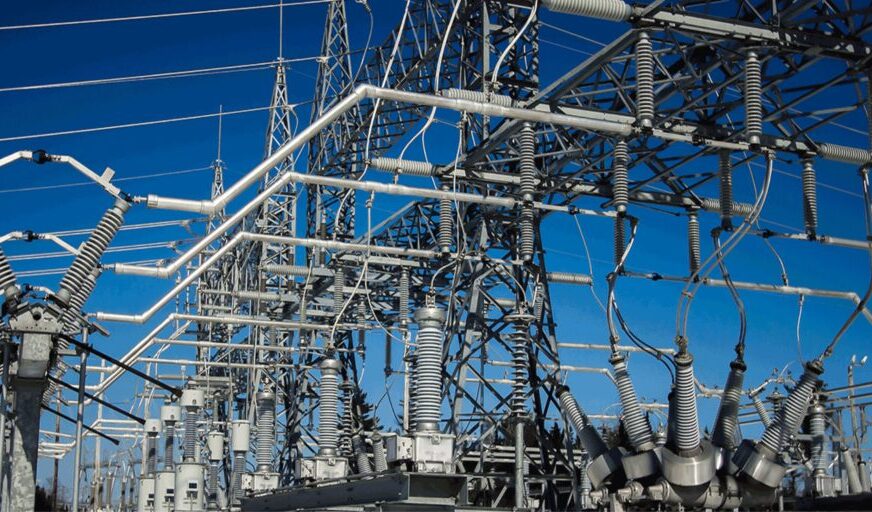
After electricity is generated, it must be transmitted efficiently to consumers. This is achieved through a network of transformers, transmission lines, and substations. Electricity is first increased in voltage to reduce energy loss over long distances.
It is then transported through high-voltage lines before being reduced again for safe residential and industrial use.
- Transformers increase voltage for efficient transmission
- Power lines carry electricity across long distances
- Substations distribute usable voltage to consumers
Maintaining Grid Balance
Hydroelectric systems play a crucial role in stabilizing electrical grids. Because water flow can be controlled, hydro plants can quickly adjust output based on demand. This flexibility helps balance fluctuations from other renewable sources like solar and wind.
Environmental Considerations in Hydropower
Hydroelectric dams provide clean energy but also influence surrounding ecosystems. They can alter natural river flow, impact fish migration, and change sediment patterns. Because of this, modern engineering focuses heavily on environmental balance.
Sustainable hydropower design aims to reduce ecological disruption while maintaining high energy efficiency.
- Provides renewable and low-emission energy
- Alters natural river ecosystems
- Modern systems reduce environmental impact
Eco-Friendly Engineering Practices
Modern dams incorporate fish passages, controlled water release systems, and environmental monitoring technologies. These features help maintain ecosystem balance while ensuring efficient power production.
Continuous environmental assessments allow operators to adjust water flow and minimize ecological stress.
Advancements in Hydropower Technology
Modern hydroelectric systems are evolving rapidly with the help of digital technology and engineering innovation. Smart monitoring systems, improved turbine designs, and automated controls are increasing efficiency and reducing environmental impact.
These innovations allow hydro plants to operate more precisely and respond quickly to changes in demand.
- Smart systems optimize water and energy use
- Advanced turbines increase efficiency levels
- Automation improves operational control
Future of Hydroelectric Systems
Future developments may include modular hydro systems, underwater turbines, and hybrid renewable setups combining solar and hydropower. These advancements aim to increase flexibility and reduce environmental footprint.
FAQs
How do hydroelectric dams generate electricity?
They generate electricity by using flowing water to spin turbines connected to generators that produce electrical energy.
What is the main energy source in hydroelectric systems?
The main energy source is gravitational potential energy stored in elevated water in reservoirs.
Why are turbines important in hydropower?
Turbines convert water flow into mechanical rotation, which is essential for electricity generation.
Are hydroelectric dams renewable?
Yes, they rely on the natural water cycle, making them a renewable energy source.
What environmental issues do dams cause?
They can affect ecosystems and river flow, but modern designs reduce these impacts significantly.
Conclusion
Hydroelectric dams demonstrate how natural forces can be transformed into large-scale, reliable electricity systems. By carefully controlling water flow and converting its energy step by step, these systems provide one of the most efficient forms of renewable power available today. From reservoirs to turbines and generators, each component works in harmony to ensure continuous energy production.
As the demand for clean energy continues to grow, hydropower remains a crucial part of global energy infrastructure. Its reliability, scalability, and sustainability make it essential in supporting future energy needs. Continued innovation will only strengthen its role in a world increasingly focused on cleaner and more efficient power systems.
The Energy Shift Is Already Reshaping the Global Power Landscape
The transition toward renewable energy is accelerating faster than ever before, and hydropower is at the center of this transformation. Countries investing in advanced hydro systems are securing long-term energy stability while reducing dependence on fossil fuels. This shift is not a future possibility—it is happening now across global energy networks.
What makes this transition urgent is the growing electricity demand combined with the need to reduce emissions. Hydroelectric systems offer a proven, scalable solution that already powers millions of lives. Understanding and adapting to this shift is becoming increasingly important as energy systems worldwide continue to evolve.